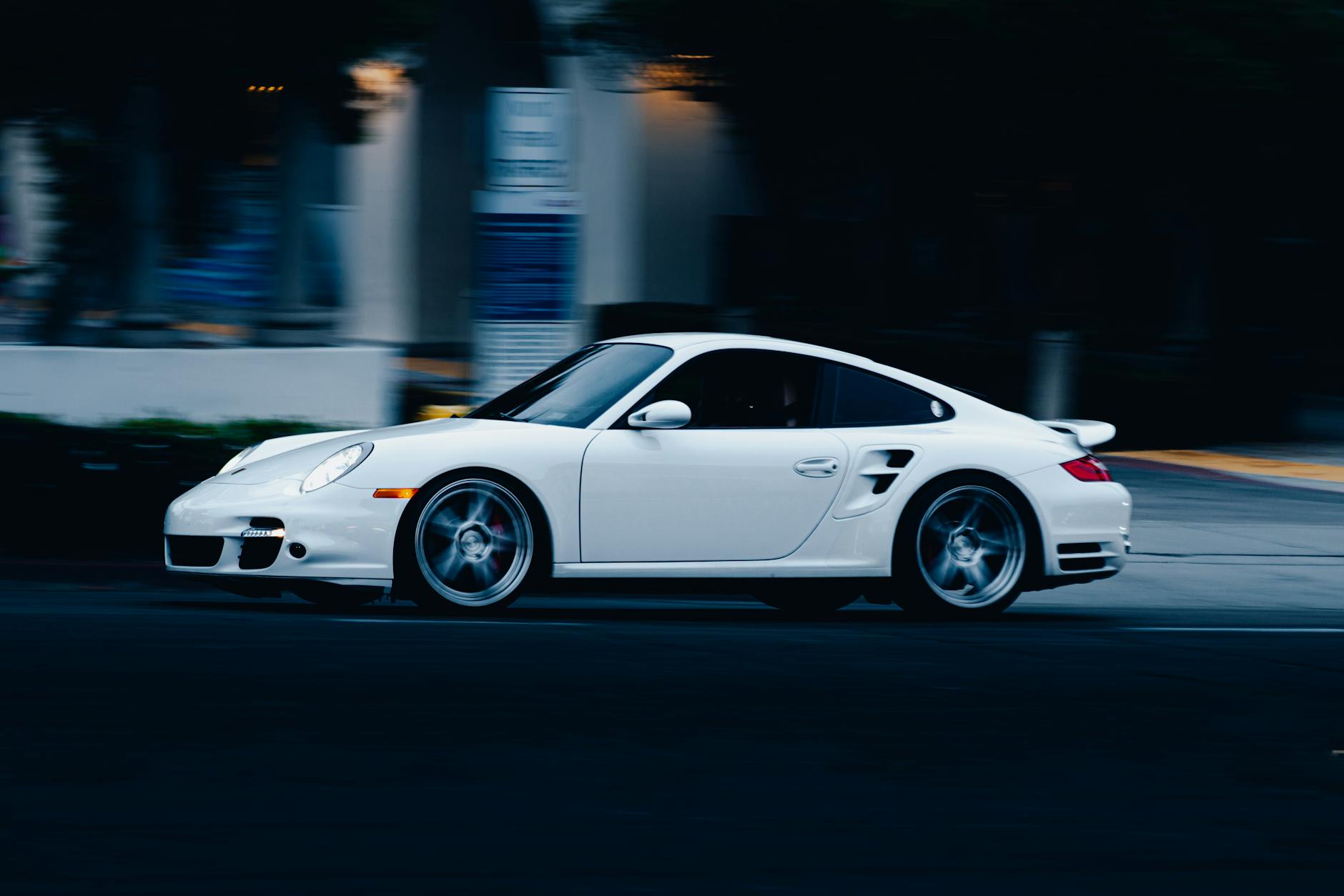
Porsche just dropped one of the most impressive electric SUVs on the market—and the German automaker isn’t counting on many people actually buying it. The company unveiled its new Cayenne Coupe Electric at Auto China in Beijing, a stunning 1,139-horsepower performance machine that rockets from 0 to 60 mph in just 2.4 seconds. Yet the timing couldn’t be worse, as Porsche grapples with an unprecedented financial crisis.
What Happened
The all-new Cayenne Coupe Electric represents Porsche’s most ambitious EV assault on the premium SUV segment, boasting an impressive 669-kilometer WLTP driving range and the ability to fast-charge to usable capacity in just 16 minutes. Starting at $113,800, the vehicle combines supercar-level acceleration with practical electric range—a rare feat in today’s EV market. The Beijing reveal signals Porsche’s commitment to China, the world’s largest EV market, even as global headwinds mount.
Key Details
The timing of this launch underscores a troubling reality for the storied sports car manufacturer. Porsche is experiencing its worst financial performance on record, with operating profits plummeting 93 percent year-over-year. The company posted its first-ever quarterly loss, signaling deeper structural problems beyond typical economic cycles. Industry analysts attribute the decline to slowing EV adoption globally, overcapacity in Chinese EV markets, and weakening demand from key markets like Europe and North America. Despite engineering excellence that rivals any competitor, Porsche faces mounting skepticism about whether premium-priced EVs can sustain profitable sales volumes.
What This Means for You
For American luxury car buyers, the Cayenne Coupe Electric’s U.S. availability signals that traditional automakers are doubling down on performance-first EV design. However, Porsche’s cautious outlook suggests that even the best-engineered vehicles won’t automatically overcome market resistance. The company’s pessimistic demand forecasts hint at broader concerns: consumers may be hitting an EV price ceiling, and not even legendary performance badges guarantee sales success in a crowded field.
Porsche’s situation is a cautionary tale for the entire legacy automaker sector. Building an exceptional electric vehicle is necessary but apparently insufficient in today’s market. As the company pushes forward with its electric transformation, stakeholders will be watching closely whether this premium electric Cayenne can help reverse Porsche’s financial slide or becomes another victim of EV market realities.