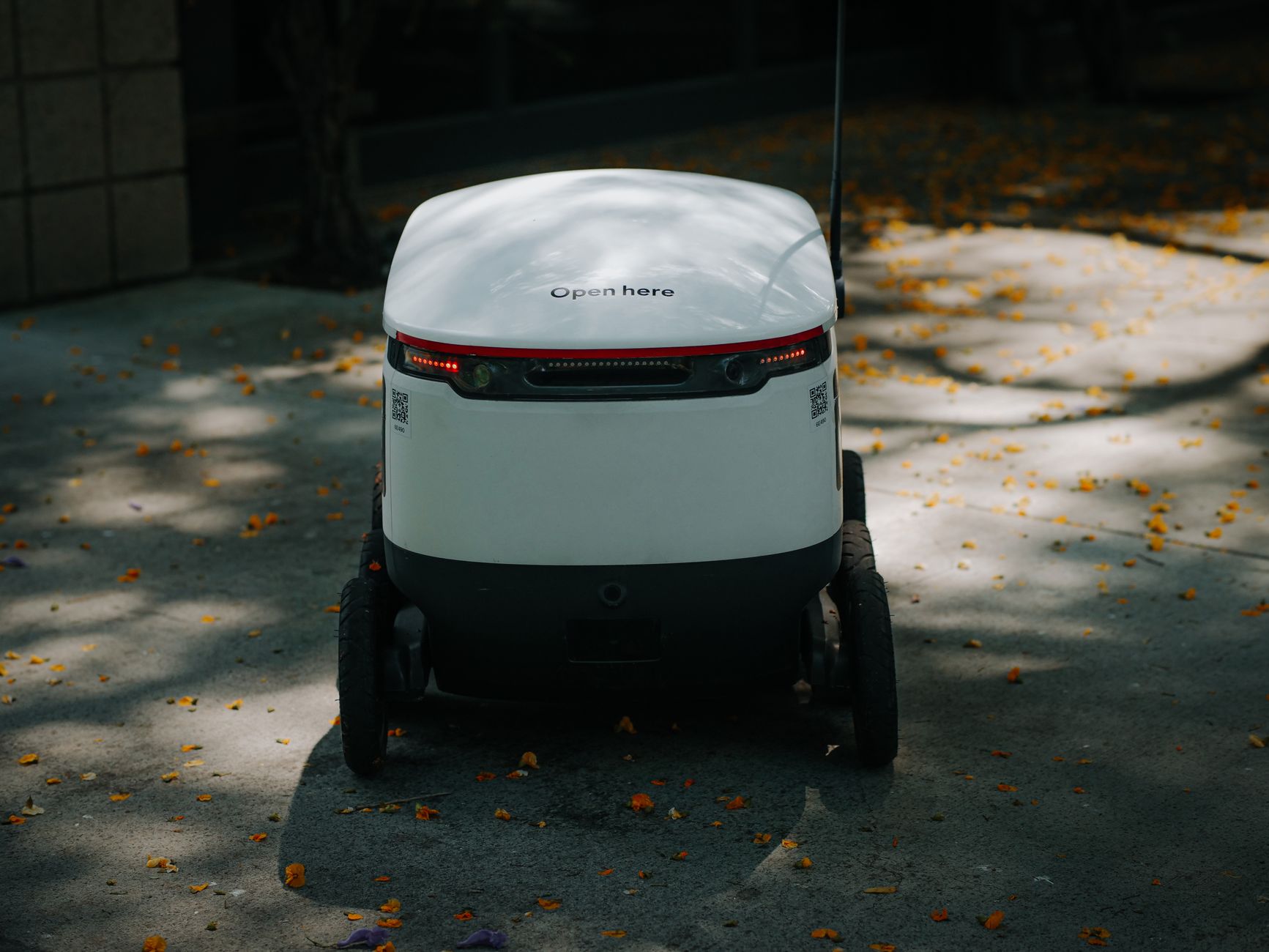
LG Electronics and Nvidia are actively exploring a strategic partnership that could reshape how consumer electronics companies approach artificial intelligence and robotics. The discussions, initiated during a visit from Nvidia executive Madison Huang, signal a significant convergence between one of the world’s largest appliance manufacturers and the computing giant dominating the AI hardware space.
What Happened
LG confirmed this week that negotiations are underway with Nvidia across three major technology domains: advanced robotics systems, enterprise AI data center infrastructure, and autonomous mobility solutions. The timing of these talks is critical, arriving at a pivotal moment when physical AI—artificial intelligence systems controlling physical hardware and real-world tasks—transitions from research laboratories into commercial manufacturing environments. This represents a meaningful departure from purely software-based AI applications that have dominated recent headlines.
Key Details
The potential collaboration would position LG to significantly deepen its physical AI capabilities while providing Nvidia with another heavyweight consumer electronics partner. LG’s extensive manufacturing expertise, consumer product ecosystem, and global distribution networks would complement Nvidia’s specialized AI processors and software platforms. The three-pronged focus suggests LG is pursuing AI integration across its entire business spectrum: manufacturing automation through robotics, backend computational infrastructure through data centers, and next-generation consumer applications via autonomous vehicles. Each sector represents enormous growth potential as enterprises increasingly deploy physical AI to improve efficiency, reduce costs, and enhance safety.
What This Means for You
For everyday consumers, this partnership could accelerate the arrival of smarter home appliances, more sophisticated robots in warehouses and factories you interact with indirectly, and advances in self-driving technology. For businesses, particularly those in manufacturing and logistics, the collaboration could yield more accessible and affordable AI solutions tailored specifically for industrial applications. Enterprise customers seeking scalable data center solutions might benefit from specialized offerings optimized for physical AI workloads. Additionally, the partnership underscores a broader industry trend: companies across diverse sectors recognize that Nvidia’s technology stack has become essential infrastructure for AI deployment.
As physical AI rapidly moves from theoretical research to real-world implementation, partnerships like this one between LG and Nvidia will likely determine which companies lead the next generation of intelligent systems. The outcome of these discussions could influence how manufacturers worldwide approach their own AI strategies.