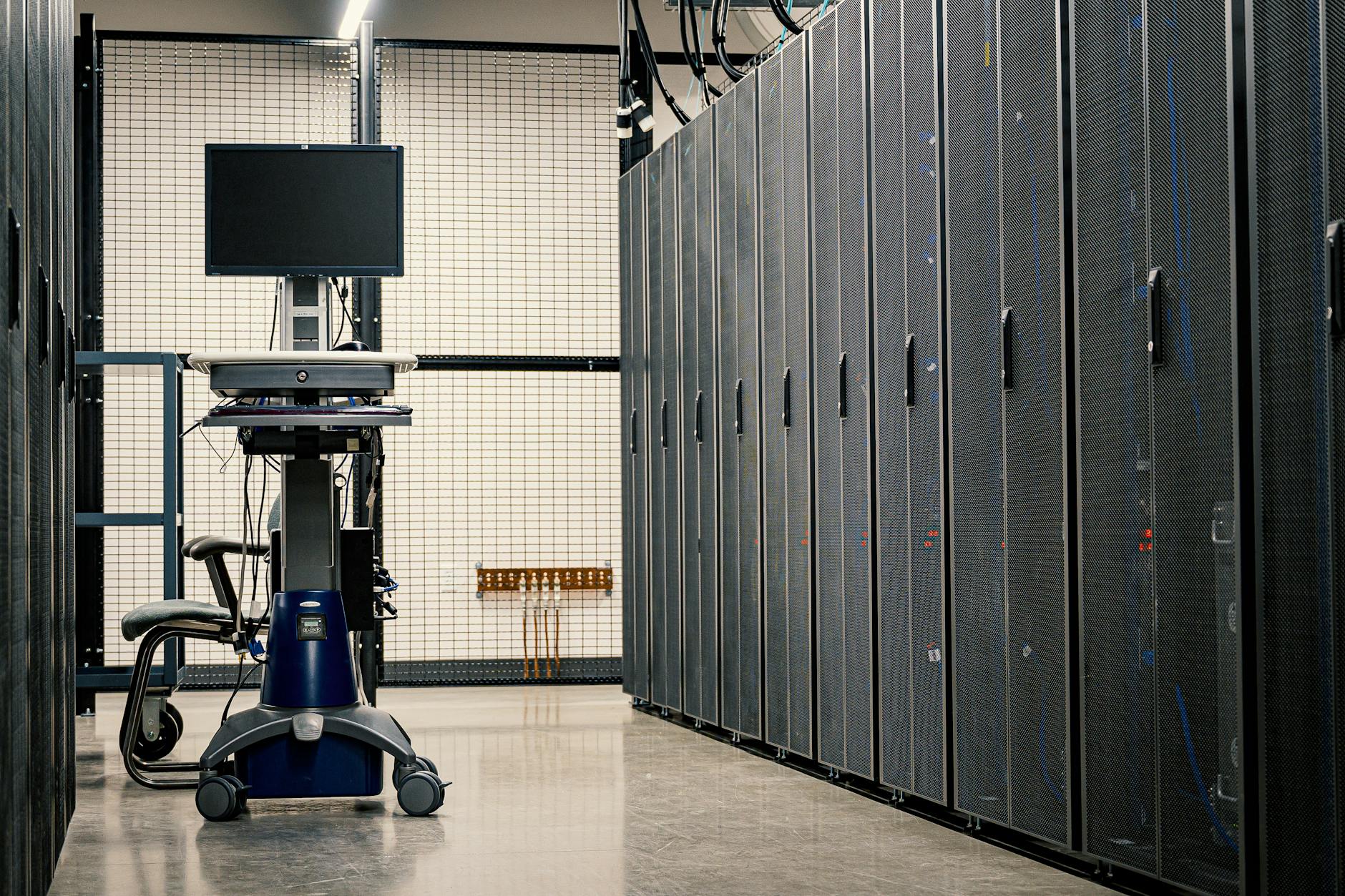
Thailand just became a major player in the global AI infrastructure race. This week, Bangkok’s Board of Investment approved nearly $30 billion in projects, with TikTok’s staggering $25 billion data center expansion stealing the headlines and signaling a dramatic shift in how tech giants view Southeast Asian cloud computing.
What Happened
On Wednesday, Thailand’s Board of Investment cleared six significant investment proposals, three of which are data centers. While TikTok’s quarter-trillion-baht commitment dominates the conversation, the real story extends far beyond one company’s infrastructure play. These approvals represent a calculated bet by Thailand to position itself as a critical hub for artificial intelligence and cloud services across the region, competing directly with established tech centers in Singapore and other Asian markets.
Key Details
TikTok’s $25 billion data center investment dwarfs the other approvals, making it the jewel of this investment round. However, the approval of three separate data center projects demonstrates Thailand’s broader strategic vision. The country is leveraging its geographic location, competitive labor costs, and improving infrastructure to attract capital-intensive computing operations. For context, these aren’t small regional facilities—they’re enterprise-grade centers designed to handle the massive computational demands of AI training, content delivery, and cloud services at global scale. The timing matters too: as geopolitical tensions complicate tech supply chains and data sovereignty concerns mount, companies increasingly seek geographically diverse infrastructure across multiple jurisdictions.
What This Means for You
For American tech companies and investors, Thailand’s emergence as an AI infrastructure destination creates both opportunities and competitive dynamics. US firms operating in Southeast Asia may find lower-cost, reliable computing infrastructure closer to their target markets. However, it also means companies like TikTok are building deeper operational roots in regions where US regulatory oversight becomes more complicated. The data center boom could accelerate Thailand’s tech ecosystem development, attracting engineering talent and spawning local tech startups—creating new markets for US software and services. Meanwhile, investors watching the regional tech infrastructure race should note that Southeast Asia is no longer just about consumer markets; it’s becoming foundational to global AI operations.
Thailand’s board of investment approvals might seem like bureaucratic routine in Bangkok, but they represent a seismic shift in how global tech infrastructure gets distributed. As data centers become the new battleground for AI supremacy, expect more governments to compete aggressively for these investments.