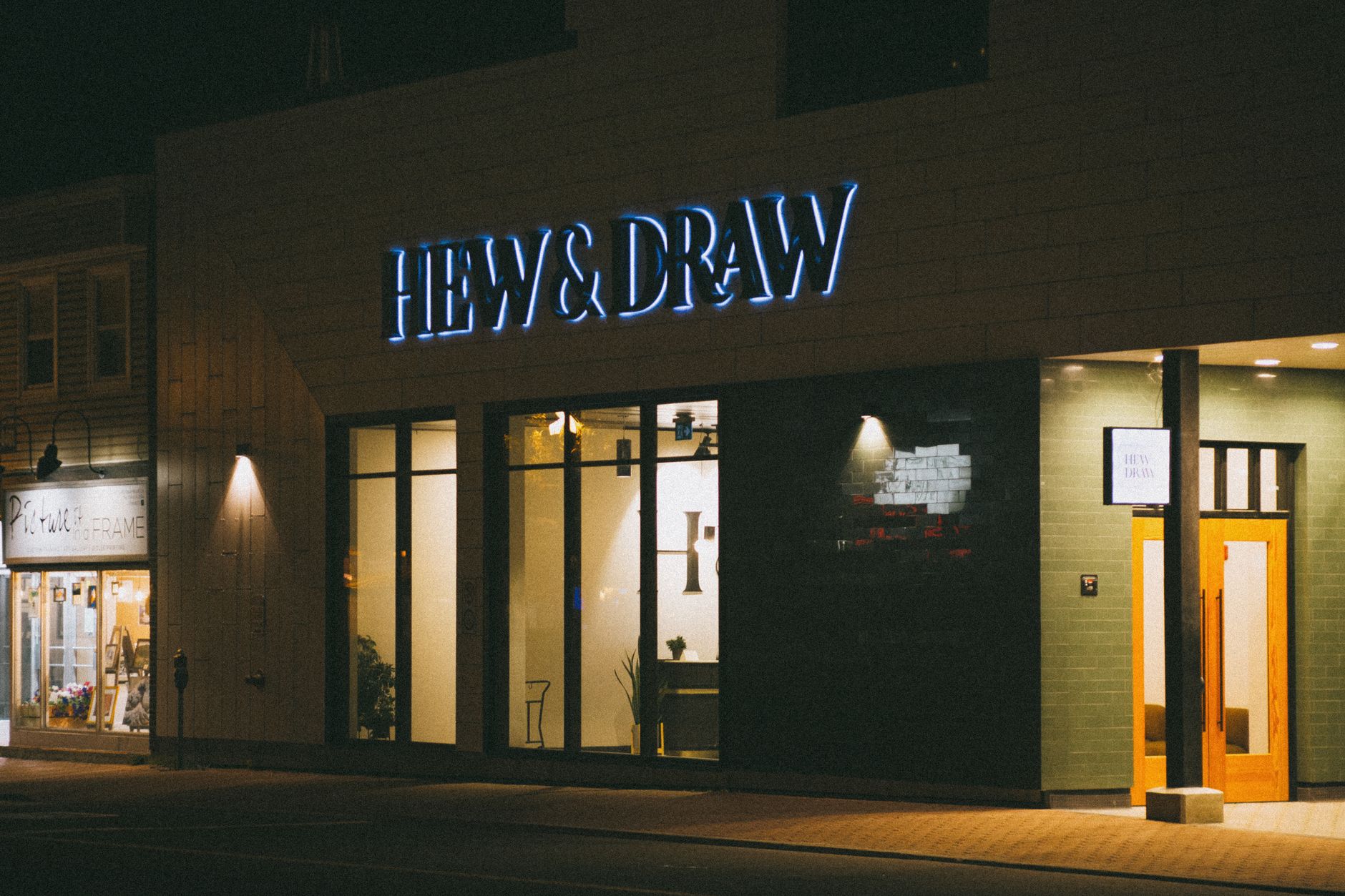
In a nondescript storefront on a pedestrian street in Breda, Netherlands, artificial intelligence is literally changing how people smell. What sounds like science fiction is becoming reality: customers can walk into a shop, answer a brief questionnaire, and leave with a completely personalized perfume formulation that didn’t exist before they arrived.
What Happened
A Dutch startup has implemented an algorithm-driven system that uses sensory preference data to generate custom fragrance profiles. Rather than relying on traditional perfume consultation methods, the AI-powered approach asks customers targeted questions about their preferences, personality traits, and aesthetic sensibilities. The system analyzes these responses and generates a unique scent composition tailored specifically to the individual within minutes.
The entire process takes less than an hour from questionnaire to finished product. The technology represents a significant shift in how luxury goods are personalized, moving beyond standard recommendation engines into truly generative AI applications.
Key Points
The innovation demonstrates how machine learning can be applied to subjective, sensory experiences. Perfume creation has traditionally been the domain of master perfumers with decades of experience. This algorithm essentially democratizes that expertise by codifying olfactory preferences into data points.
The system likely uses neural networks trained on fragrance chemistry, customer preference patterns, and successful scent combinations. Rather than simply recommending existing perfumes, it generates new formulations—a meaningful distinction that speaks to the sophistication of the underlying technology.
This represents a broader trend of AI moving into hyper-personalization across consumer industries. While recommendation algorithms are commonplace, generative systems that create entirely new products based on individual specifications remain relatively rare in retail applications.
What This Means
For consumers, this technology promises a more satisfying shopping experience. Instead of settling for the closest existing option, customers receive products genuinely tailored to their preferences. For the beauty and fragrance industries, it signals a potential disruption to traditional supply chains and retail models.
The implications extend beyond perfume. If this model proves successful, similar algorithmic generation systems could be adapted for cosmetics, fashion, food flavoring, and other sensory-dependent products. The startup’s approach suggests that luxury personalization at scale is becoming technically feasible.
However, questions remain about consistency, shelf appeal, and whether AI-generated fragrances can achieve the cultural cachet of traditional luxury scents. Regardless, this Dutch experiment proves that the algorithm’s reach now extends even to our sense of smell.