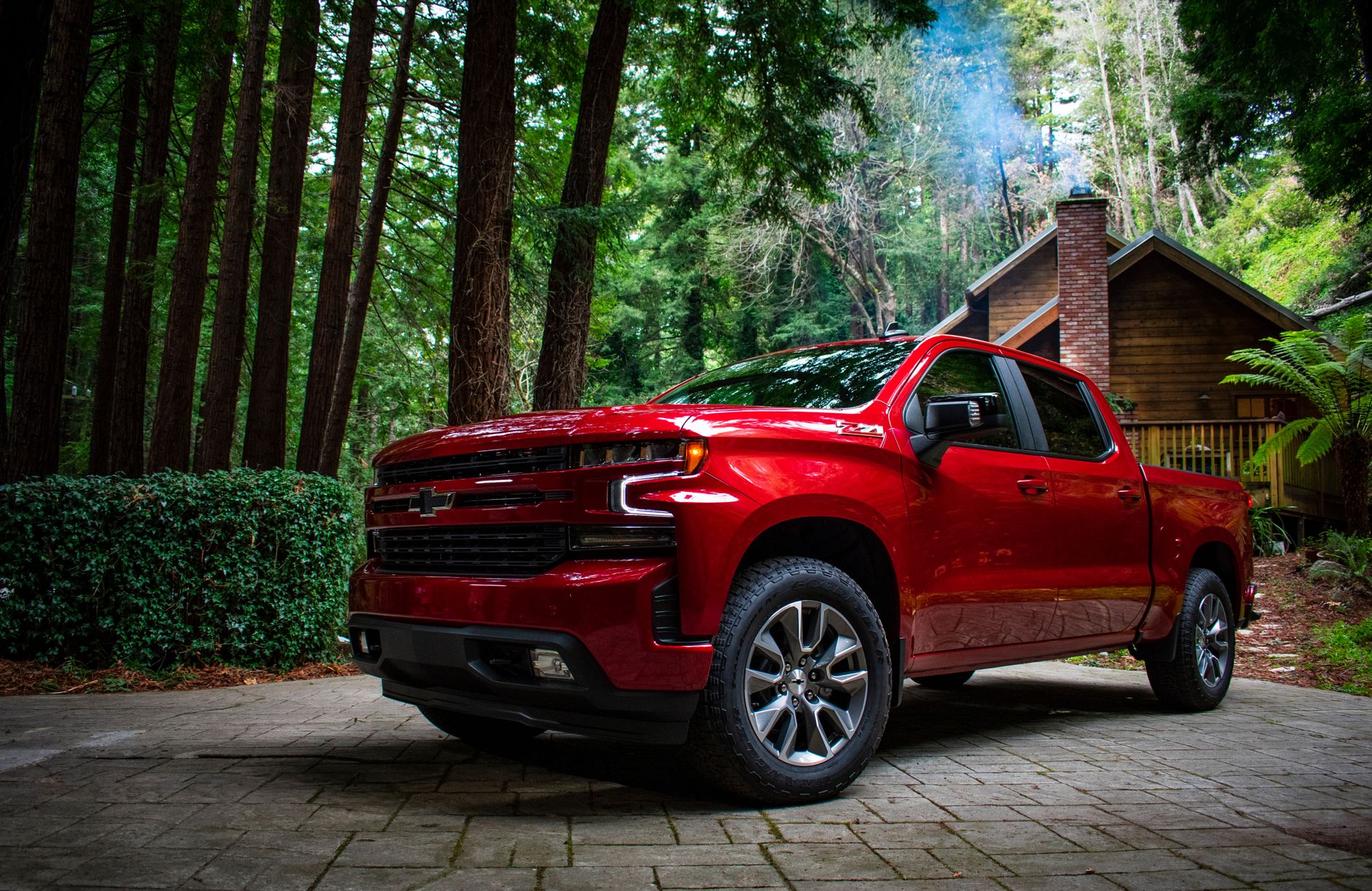
General Motors has a problem that money can’t solve: critical acclaim without commercial success. The Chevrolet Silverado EV, praised by reviewers as one of the finest electric trucks available, sold just 14,000 units across the United States and Canada last year—a fraction of the petrol-powered Silverado’s quarterly sales figures.
What Happened
The disconnect is staggering. GM Authority’s sales data reveals that traditional Silverado models move more than ten times the volume of their electric counterpart in a single quarter alone. For a company betting heavily on the EV transition, this represents a significant market validation crisis. The Silverado EV arrives with impressive specifications, competitive pricing for its segment, and industry recognition. Yet consumers continue choosing conventional trucks at overwhelming rates, leaving industry analysts scrambling to explain the gap between critical praise and market reality.
This phenomenon extends beyond GM’s walls. The entire electric truck segment faces headwinds despite technological maturation and improved charging infrastructure. Tesla’s Cybertruck, though sold at premium prices, captures attention through novelty. Ford’s F-150 Lightning generates interest but hasn’t achieved mass-market penetration. The pattern suggests deeper consumer hesitations than simply product quality.
Key Points
Price remains a significant barrier. Electric trucks command substantial premiums over conventional alternatives, and many buyers question whether superior performance justifies the investment. Range anxiety persists despite improvements—long-haul workers and rural users remain skeptical of battery capabilities.
Infrastructure dependency creates another hurdle. Unlike gas stations scattered across America, charging networks remain inconsistent outside urban corridors. Buyers operating in rural areas legitimately worry about stranded vehicles and extended charging times.
Consumer psychology plays an underestimated role. Truck buyers traditionally prioritize rugged reliability and proven capability. Electric vehicles still carry perceptions of experimental technology among this demographic, regardless of actual engineering advances.
What This Means
The Silverado EV’s sales failure signals that GM’s approach to electrification may need recalibration. Marketing excellence and product quality alone cannot overcome structural market barriers. Success requires addressing infrastructure gaps through partnerships, tackling price competitiveness through scale, and rebuilding buyer confidence through education and incentive programs.
For the broader industry, this serves as a cautionary tale. The transition to electric vehicles won’t follow predetermined timelines. Consumer adoption rates depend on holistic ecosystem development, not solely on manufacturing capability. GM must decide whether to persist through this valley, invest heavily in market development, or adjust expectations for EV truck sales forecasts.
The real story isn’t that the Silverado EV is good—it’s that being good isn’t enough anymore.