Geopolitical tensions in the Middle East are creating unexpected shockwaves through America’s artificial intelligence infrastructure. A military strike on a critical Saudi Arabian petrochemical facility in April has triggered cascading supply chain failures that threaten to slow GPU production, delay AI chip shipments, and potentially inflate hardware costs across the entire tech industry.
What Happened
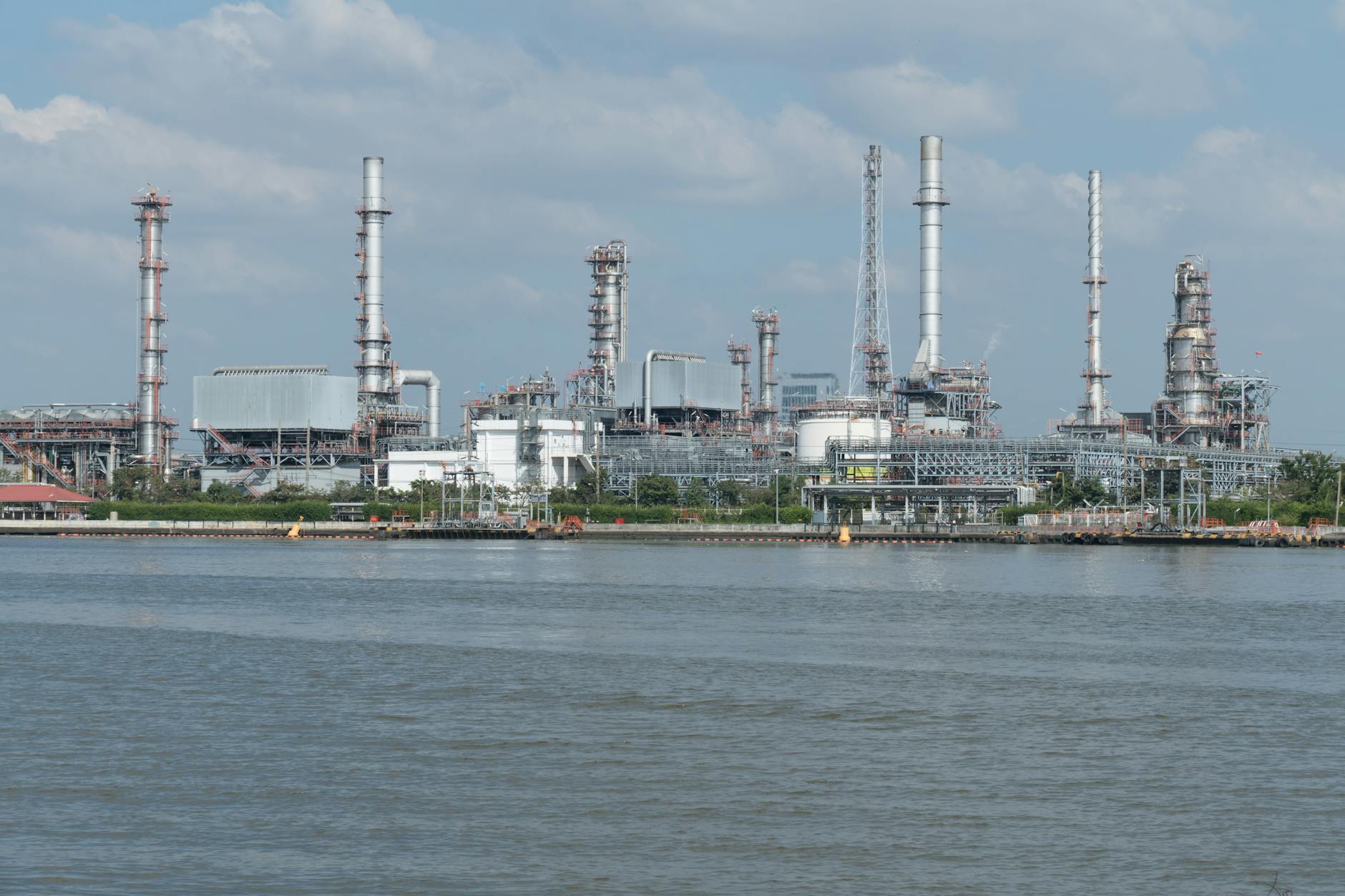
In early April, military strikes targeted SABIC’s sprawling Jubail petrochemical complex in Saudi Arabia, one of the world’s largest producers of specialized chemical resins. The facility produces epoxy resin and other polymers essential for manufacturing PCB laminates—the foundational materials that printed circuit boards depend on. The production halt sent shockwaves through global supply chains within weeks. Goldman Sachs analysts tracking commodity markets documented a staggering 40% price surge in just one month. Meanwhile, suppliers reporting to major chip manufacturers like Samsung and AMD revealed that lead times for epoxy resin deliveries have ballooned from a manageable three-week window to an alarming fifteen weeks—a five-fold increase that’s creating bottlenecks throughout the semiconductor ecosystem.
Key Details
The disruption exposes just how vulnerable America’s high-tech manufacturing depends on Middle Eastern petrochemical production. PCB laminates form the backbone of every advanced chip—from NVIDIA’s flagship AI accelerators to AMD’s processors powering data centers. Without reliable resin supplies, manufacturers face brutal choices: delay production, absorb soaring material costs, or source inferior alternatives. South Korean suppliers, who serve as critical intermediaries between Middle Eastern feedstock producers and chip designers, report unprecedented inventory pressures. The shortage isn’t theoretical—it’s already rippling through the supply chain with real manufacturing delays expected to materialize in coming quarters.
What This Means for You
For American tech companies racing to build out AI infrastructure, this supply crunch represents a significant headwind. Data center operators planning GPU deployments may face delayed shipments and higher acquisition costs. Enterprises investing in AI capabilities should anticipate potentially longer procurement timelines and tighter GPU availability through mid-2024. Cloud providers and AI startups relying on consistent chip supplies could see margin pressures as manufacturers pass along elevated material costs. The broader lesson: America’s dependence on specific geographic sources for critical chemical inputs creates dangerous vulnerabilities in an era of geopolitical instability.
As tensions persist in the Middle East, semiconductor manufacturers and tech companies are racing to diversify their supply chains and develop alternative sourcing arrangements. The current disruption may ultimately accelerate efforts to build more resilient, geographically distributed manufacturing ecosystems—but in the near term, the AI industry faces real constraints.