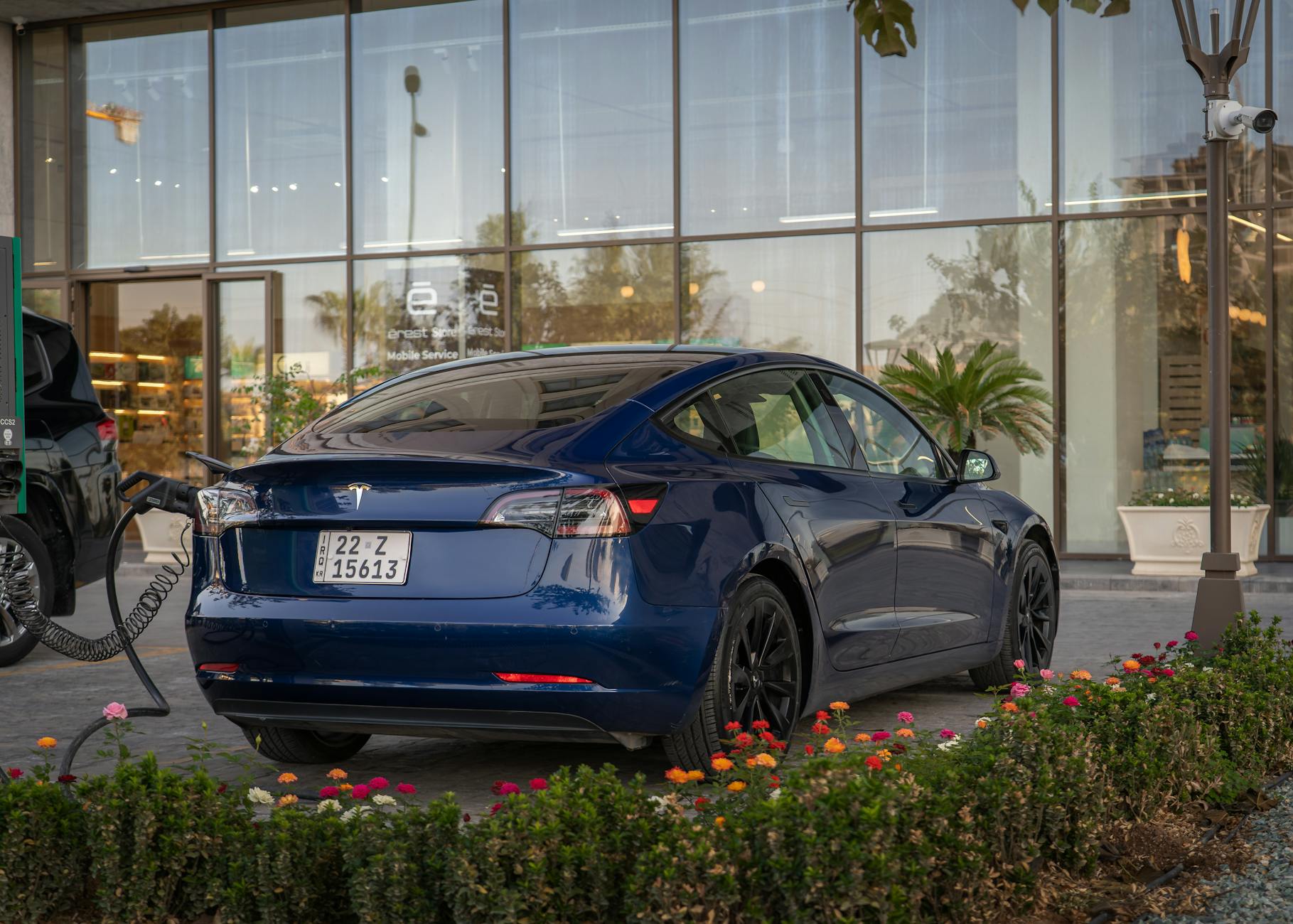
Tesla has found an ingenious workaround to the escalating tariff war between the United States and China: sell Chinese-manufactured vehicles in Canada at unprecedented price points. The electric vehicle maker is now offering its Model 3 Premium RWD, built at its Shanghai Gigafactory, starting at C$39,490—roughly $29,000 USD—marking the lowest price point the vehicle has achieved in the Canadian market.
What Happened
The move represents a significant pivot in Tesla’s North American distribution strategy. Just two months prior, Canadian consumers couldn’t purchase a Model 3 for less than what the Long Range AWD variant commanded when manufactured at Tesla’s domestic facilities. The sudden availability of Shanghai-produced vehicles at dramatically reduced pricing signals Tesla’s aggressive response to tariff pressures that have squeezed its margins on both sides of the Pacific. China has implemented retaliatory tariffs on American-made EVs, while the US continues to impose substantial duties on Chinese automotive imports.
Key Details
Canada’s unique position in North American trade frameworks makes it an attractive distribution hub for Tesla. Under existing trade agreements, Chinese-manufactured vehicles can reach Canadian consumers with fewer tariff barriers than they face entering the United States market directly. This loophole allows Tesla to maintain competitive pricing while circumventing the punitive duties that would apply to direct US imports. The pricing advantage is substantial—nearly $10,000 less than comparable domestically-manufactured alternatives—suggesting Tesla is willing to absorb reduced margins to maintain market share and volume in North America.
What This Means for You
For American consumers and the broader EV market, this development illustrates how geopolitical trade tensions are reshaping automotive supply chains in real-time. While Canadian buyers benefit from lower entry prices into Tesla’s lineup, the strategy highlights growing divisions in North American manufacturing priorities. If Tesla can profitably sell Chinese-made vehicles in Canada at these price points, questions arise about why similar vehicles cannot reach US showrooms affordably—beyond simple tariff explanations. The move may also pressure other automakers to reconsider their own tariff mitigation strategies, potentially destabilizing the already fragile balance between domestic manufacturing commitments and cost competitiveness.
As trade policies continue evolving, expect to see more creative distribution approaches from major automakers seeking pathways around tariff barriers. Tesla’s Canadian pivot may prove to be the template for others navigating an increasingly complex global automotive landscape.