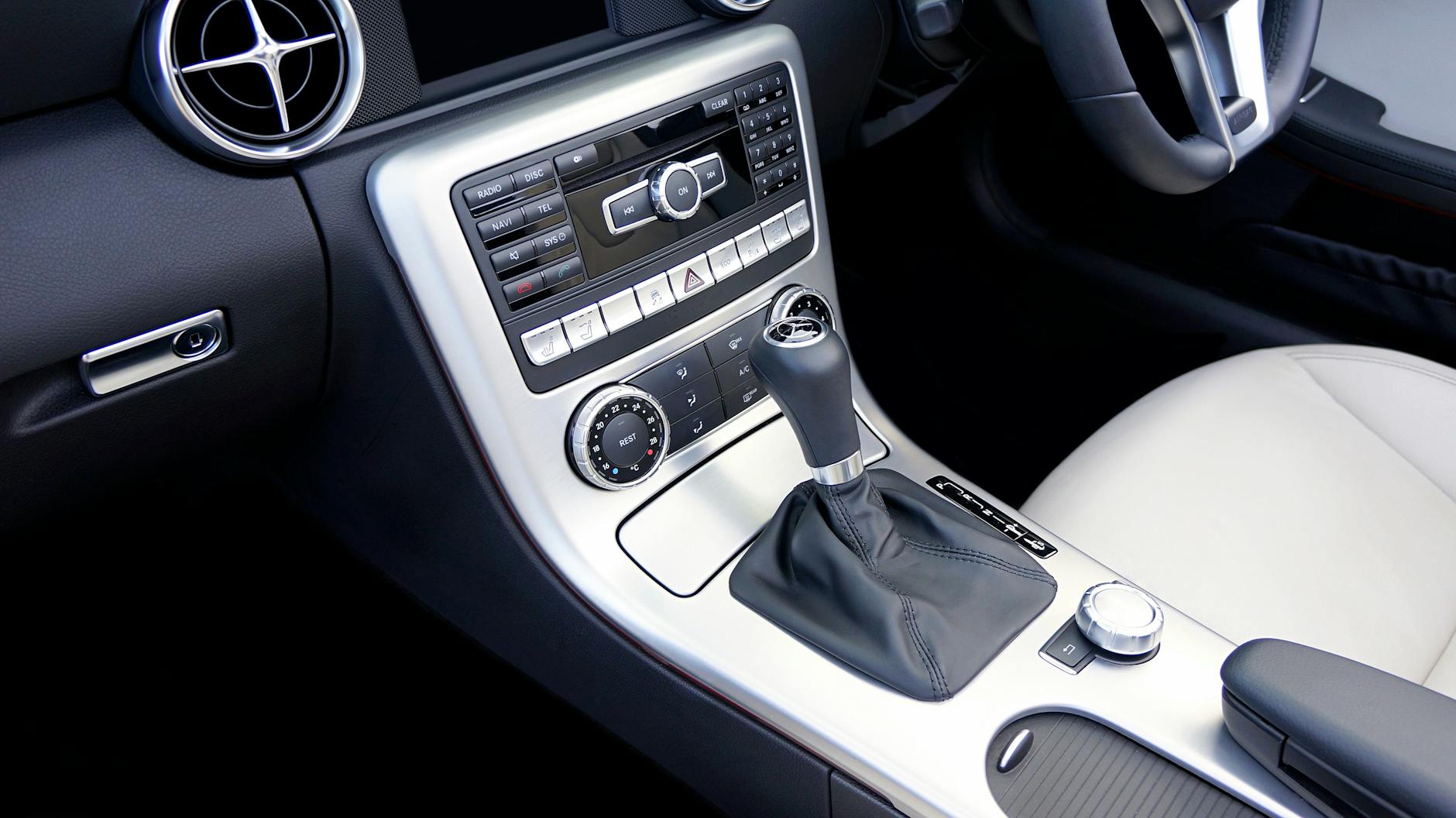
Silicon Valley’s artificial intelligence titans are making their boldest territorial grab yet—your car’s dashboard. A newly discovered placeholder in Grok’s iOS application hints that Elon Musk’s AI assistant is preparing to join the growing roster of chatbots vying for real estate on vehicle infotainment systems, signaling an intensifying competition for what may be the last truly captive screen in modern life.
What Happened
Hidden within Grok’s mobile interface sits a telling message: “Grok Voice mode coming soon to CarPlay.” This innocuous line of code represents far more than a simple feature update. It indicates that Musk’s xAI platform is racing to establish itself as a primary AI interface for Apple’s automotive ecosystem, following similar expansions by OpenAI’s ChatGPT and Perplexity AI. These developments underscore an industry-wide awakening to the automotive dashboard as premium digital real estate—a captive audience measured in millions of daily commutes.
Key Details
The automotive interface represents a unique opportunity in an otherwise saturated consumer tech landscape. Unlike smartphones, which users actively choose to unlock, vehicle dashboards command undivided attention during critical moments. Drivers spend hours monthly interacting with these systems, creating unparalleled engagement opportunities. Major AI platforms recognize that whoever controls these interactions controls data, attention, and potentially trillions in future advertising and commerce opportunities. CarPlay integration specifically targets the estimated 100+ million iPhone users worldwide, transforming a simple navigation system into a gateway for voice-activated AI services that could include navigation optimization, personalized news delivery, productivity management, and predictive maintenance alerts.
What This Means for You
Drivers should expect dramatically expanded AI capabilities in their vehicles within months. Soon, your car’s voice assistant could shift from basic commands to sophisticated natural language conversations, real-time information synthesis, and personalized recommendations. However, this convenience comes with considerations. The automotive dashboard is becoming a surveillance point where AI companies gather location data, travel patterns, and voice recordings—information far more revealing than typical smartphone usage. Privacy-conscious drivers should scrutinize these platforms’ data policies closely.
The dashboard wars have begun in earnest. As AI companies continue launching automotive features, expect rapid feature parity among platforms, intense competition over voice quality and response time, and inevitable privacy concerns as these systems capture increasingly intimate details about our daily lives and movements. The real question isn’t whether AI will dominate your dashboard—it’s which company’s vision of artificial intelligence will shape your driving experience for years to come.