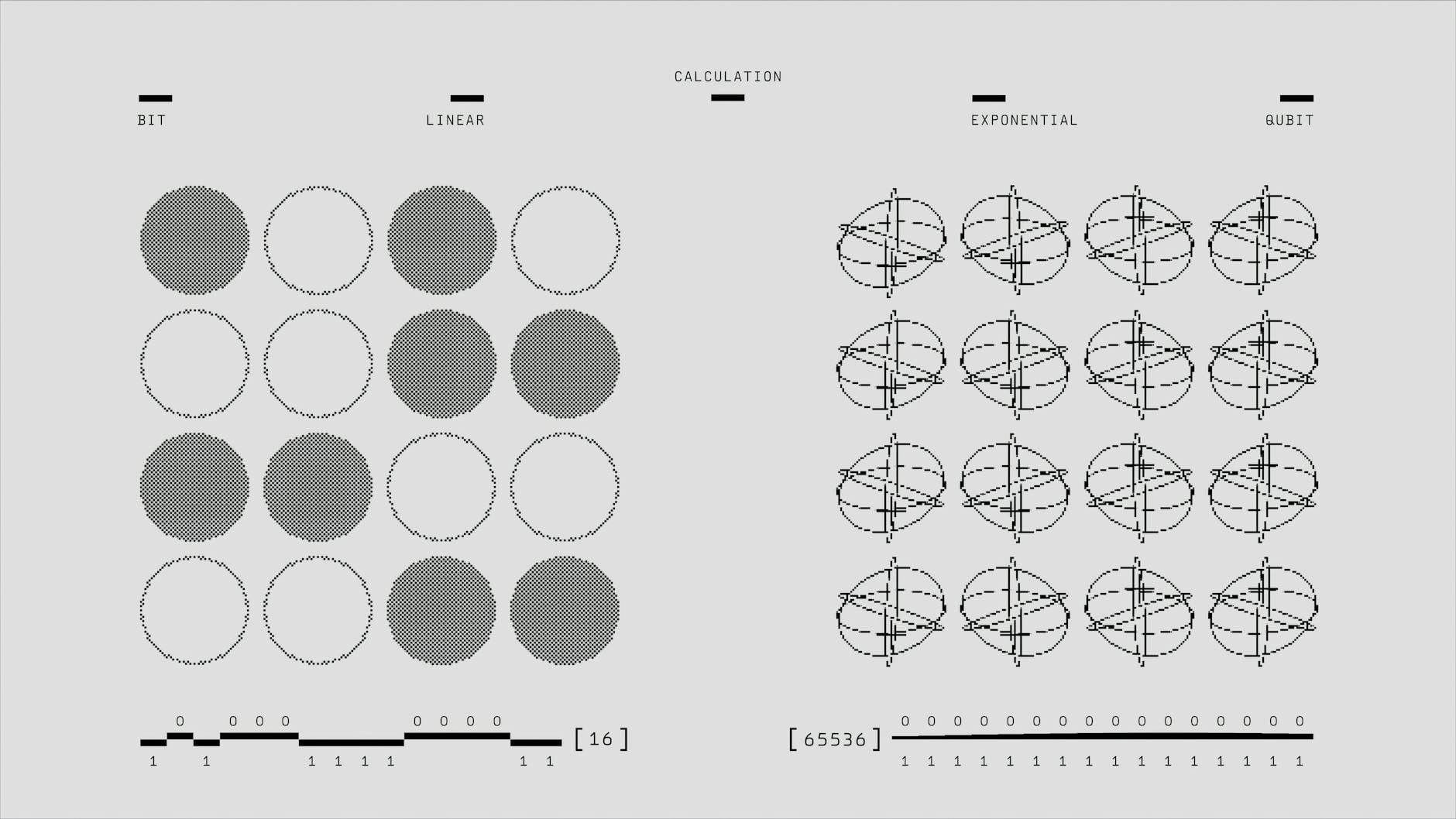
The cybersecurity community has long worried about quantum computing’s potential to render current encryption obsolete. But emerging research suggests one of the industry’s most widely-deployed encryption standards—AES-128—may be far more resilient than previously believed, potentially avoiding the costly overhaul many organizations anticipated.
What Happened
Recent cryptographic analysis contradicts the prevailing wisdom that quantum computers will rapidly break AES-128 encryption. While quantum algorithms like Grover’s algorithm theoretically could accelerate attacks on symmetric encryption, the practical requirements remain astronomically high. Researchers point out that even with quantum advantage, attackers would need quantum computers orders of magnitude more powerful than anything currently feasible to meaningfully threaten AES-128’s security margins.
The finding comes as organizations worldwide scramble to implement post-quantum cryptography standards. The National Institute of Standards and Technology has been leading this transition, yet the updated guidance suggests the timeline may be less urgent for symmetric encryption than previously feared.
Key Points
AES-128 requires an estimated 2^64 operations to break via quantum attack—still computationally prohibitive with foreseeable quantum technology. Current quantum computers remain limited to hundreds of qubits; breaking AES-128 would theoretically require millions. The gap between current capabilities and what’s needed represents a security buffer that could extend decades into the future.
This doesn’t mean quantum threats are imaginary. Asymmetric encryption like RSA faces genuine vulnerability and remains the priority for migration efforts. However, the symmetric encryption panic may have been overblown, allowing organizations to allocate resources more strategically.
What This Means
For enterprise IT leaders, this is welcome news. AES-128 remains the foundation of countless security systems, from cloud storage to financial transactions. A forced transition would have cost billions and disrupted critical infrastructure. Instead, companies can focus quantum-readiness efforts on public-key cryptography, where the risk is most acute.
The research reinforces an important principle: security decisions should be grounded in math, not speculation. While post-quantum cryptography development remains essential, understanding genuine threats versus theoretical ones enables smarter resource allocation.
Organizations should still prepare for quantum transitions, but can deprioritize symmetric encryption replacement. This gives teams breathing room to tackle higher-risk areas and implement post-quantum solutions thoughtfully rather than reactively.