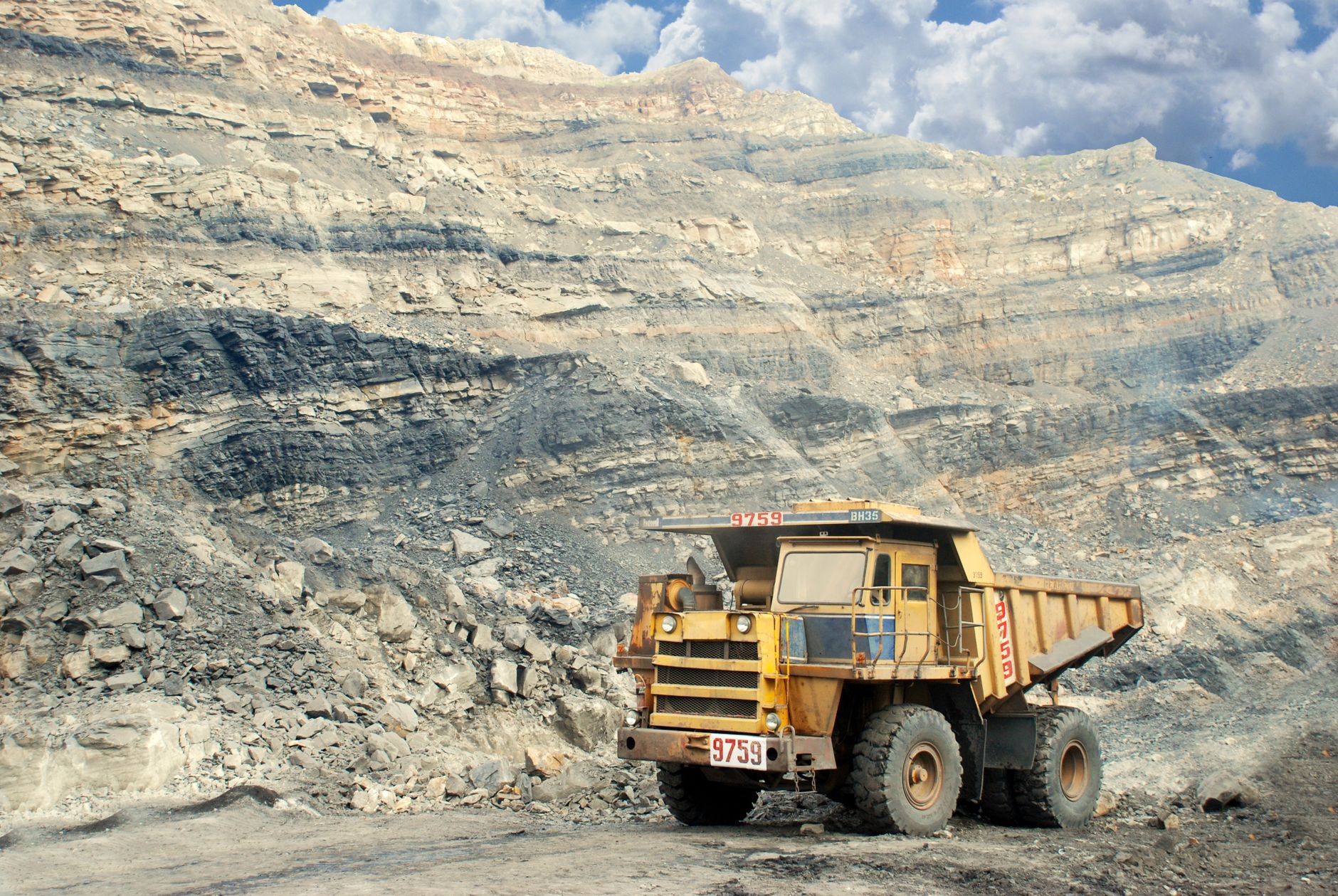
While headlines celebrate artificial intelligence breakthroughs and chip innovations, a quieter crisis looms beneath the surface: America’s dependence on foreign sources for the raw materials powering the entire AI revolution. A young startup is now stepping in to solve this critical vulnerability with an ambitious $310 million funding round aimed at autonomous mineral extraction on U.S. soil.
What Happened
The two-year-old mining startup has secured a substantial investment to establish domestic autonomous mining operations focused on extracting copper and other essential minerals. This funding marks a significant pivot toward reshoring critical mineral production—a move that addresses both economic and national security concerns. The startup’s autonomous approach leverages advanced robotics and AI systems to extract these materials efficiently without traditional labor-intensive mining methods, fundamentally transforming how America sources the foundational materials for its tech infrastructure.
Key Points
Every data center, semiconductor, power transmission line, and industrial robot begins its life as raw ore. Copper alone—essential for electrical components in AI hardware—faces severe supply constraints as demand skyrockets. Currently, the U.S. relies heavily on international suppliers for these critical minerals, creating vulnerability in America’s technology supply chains. The startup’s autonomous mining technology promises to unlock domestic reserves while reducing environmental impact and operational costs. This initiative represents a fundamental recognition that the AI boom cannot sustain itself without securing reliable access to base materials, transforming mining from an overlooked necessity into a strategic imperative for national competitiveness.
What This Means
This funding round signals investor confidence in domestic mineral extraction as a viable solution to geopolitical supply chain risks. If successful, the startup could establish a competitive alternative to overseas mining operations, strengthening America’s position in the global AI race. The implications extend beyond simple resource availability—they touch on manufacturing independence, job creation in rural America, and reduced vulnerability to foreign supply disruptions. Tech companies betting billions on AI infrastructure now have a tangible path toward ethically sourced, domestically produced raw materials. The convergence of autonomous mining technology with critical mineral demand creates a new category of essential infrastructure investment, one that Washington policymakers and Silicon Valley executives are finally beginning to recognize as fundamental to long-term technological dominance and economic security.