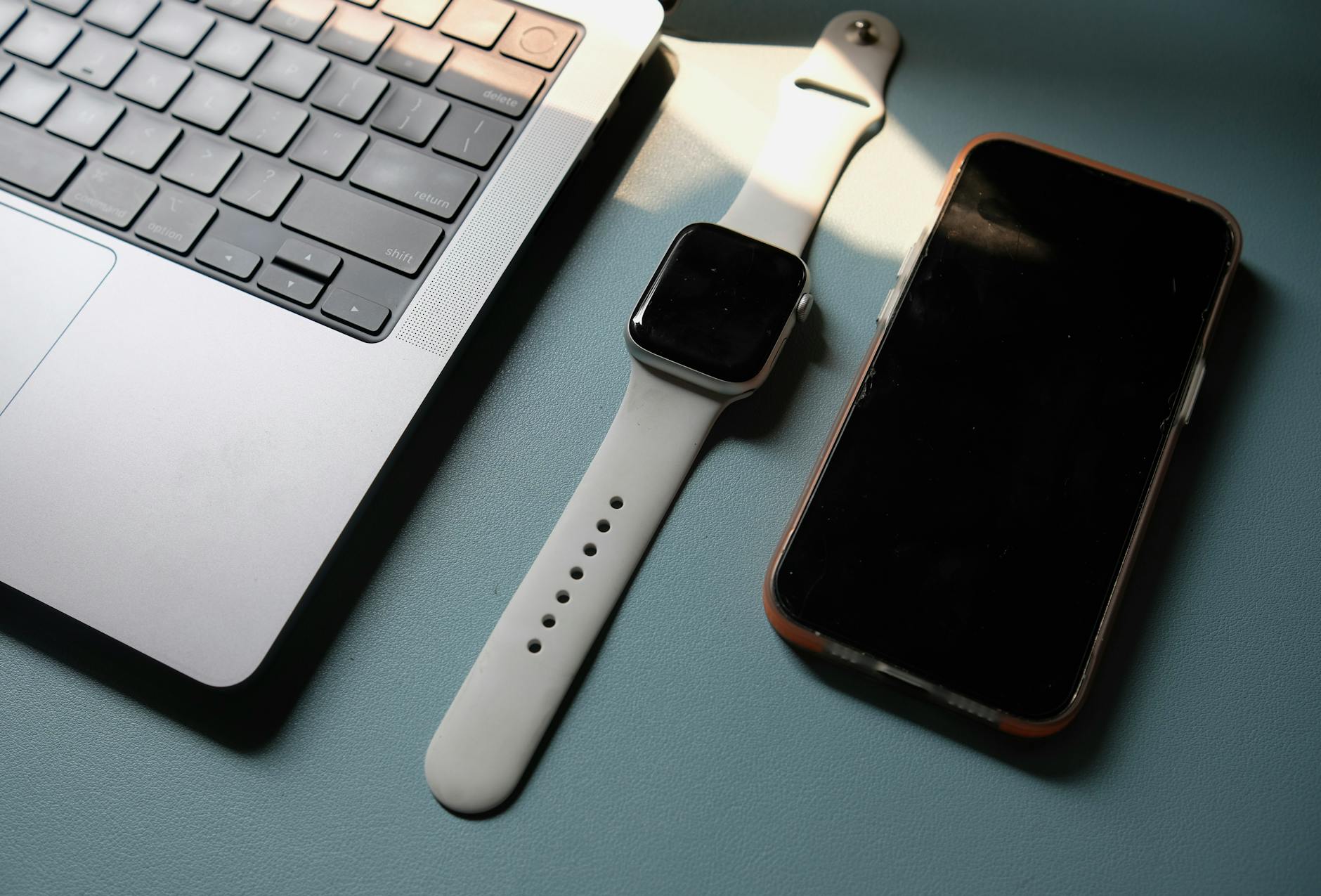
A decade after revolutionizing the wearable market, Apple Watch finds itself at an inflection point. Once the undisputed leader in smartwatch innovation, the aging product line now faces unprecedented competition from an unexpected direction: screenless alternatives that prioritize simplicity over features.
What Happened
According to reporting from Bloomberg’s Mark Gurman, Apple’s iconic wearable—which launched in 2015 and generated an estimated $100 billion in lifetime sales—is losing momentum precisely when the wearables market is exploding. The problem isn’t demand for wearables generally; it’s that consumer preferences are fundamentally shifting. Users increasingly prefer lightweight, minimal-interface devices over the feature-packed, screen-centric approach that made Apple Watch successful.
Apple’s current lineup relies heavily on its display as the primary interaction method. However, emerging competitors are taking a different approach: ring-based wearables, gesture-controlled devices, and AI-powered audio interfaces that eliminate traditional screens entirely. Companies like Oura, Humane, and others are capturing consumer mindshare with products designed around simplicity and battery longevity.
Key Points
The shift represents a fundamental market correction. Early smartwatch adopters valued notifications, apps, and standalone connectivity. Today’s consumers want lightweight health tracking, longer battery life, and frictionless interactions that don’t require constant screen engagement.
Apple’s challenge is strategic. Innovations to the Watch have plateaued—newer models offer incremental improvements rather than genuine breakthroughs. The company risks the same fate that befell its iPhone lineup when rivals offered compelling alternatives through different form factors and user experiences.
Screenless wearables address real pain points: a smartwatch requires daily charging, demands wrist real estate, and interrupts users with notifications. Smart rings, by contrast, offer days or weeks of battery life and deliver information through haptic feedback and audio alone.
What This Means
Apple Watch’s dominance is no longer guaranteed. While the device remains profitable and popular among iOS users, the company that created the smartwatch category may not lead the next evolution. This mirrors historical tech transitions: market leaders often struggle when consumer preferences shift fundamentally.
For Apple, the path forward requires bold innovation beyond iterative improvements. Meaningful breakthroughs in battery technology, new form factors, or genuinely transformative features could recapture momentum. However, the window to act is closing as competitors establish foothold in screenless wearables—a category Apple helped create but didn’t dominate.