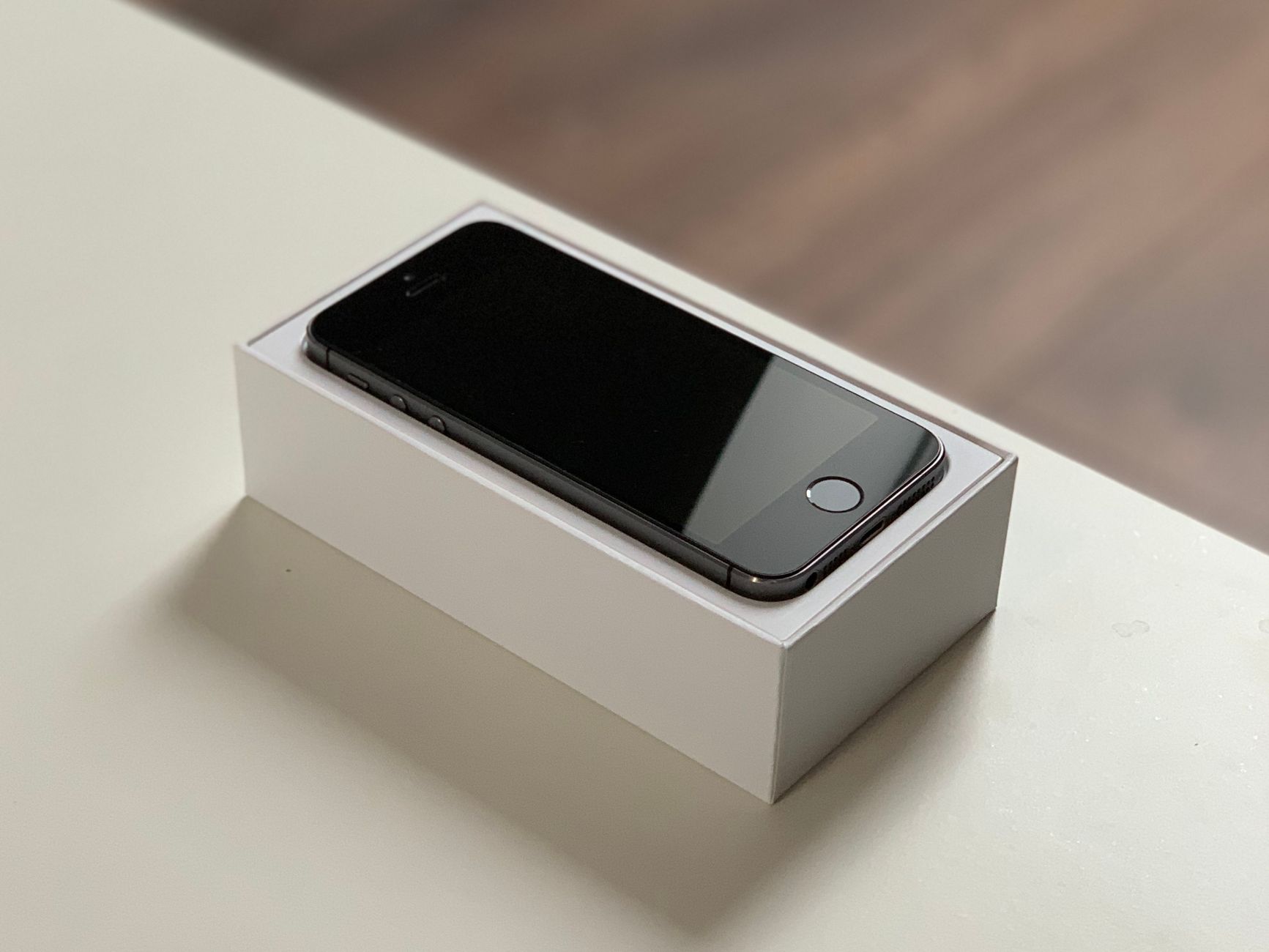
While Apple’s freshly revamped Siri dominated headlines at this year’s Worldwide Developers Conference, the real technological breakthrough happened quietly in the technical documentation. The company has developed sophisticated artificial intelligence models, including a 20-billion-parameter system, that execute entirely on your iPhone—stored in flash memory rather than consuming precious RAM. This represents a fundamental shift in how mobile devices handle artificial intelligence.
What Happened
Apple published detailed technical specifications alongside WWDC announcements, revealing the architecture behind its on-device AI infrastructure. The company engineered models sophisticated enough to power advanced features yet optimized to run from an iPhone’s flash storage, a technique that seemed impossible just months ago. This approach solves one of mobile AI’s biggest challenges: how to deploy powerful models on devices with limited memory and processing power without relying on cloud servers.
The breakthrough centers on a compression and loading strategy that pulls model weights from flash storage into memory only when needed, then releases them after processing. This method allows models far too large for traditional iPhone RAM to function smoothly, creating a new paradigm for device-side artificial intelligence.
Key Points
The implications extend far beyond Siri’s improved responses. By keeping AI processing local, Apple addresses critical privacy concerns that plague cloud-dependent machine learning. User data never leaves the device, eliminating vulnerabilities associated with transmitting sensitive information to remote servers. This architecture also reduces latency dramatically—AI responses occur instantly rather than waiting for network requests and server processing.
The engineering achievement matters significantly for the entire industry. Apple’s technical implementation provides a roadmap for competitors seeking to deploy increasingly capable AI models on smartphones and tablets. As models grow more sophisticated, the ability to run them locally becomes essential for building genuinely intelligent personal devices.
This development also frees iPhones from constant internet dependency, enabling advanced AI features in environments with spotty connectivity or no service whatsoever.
What This Means
Apple has effectively democratized on-device AI, moving the technology from research papers into millions of users’ pockets. The next generation of iPhone intelligence will feel faster, more private, and more responsive than anything cloud-dependent competitors can offer. As artificial intelligence continues advancing at breakneck speed, this on-device approach positions Apple to maintain its technological advantage while protecting user privacy—increasingly the defining competitive battleground in consumer technology.