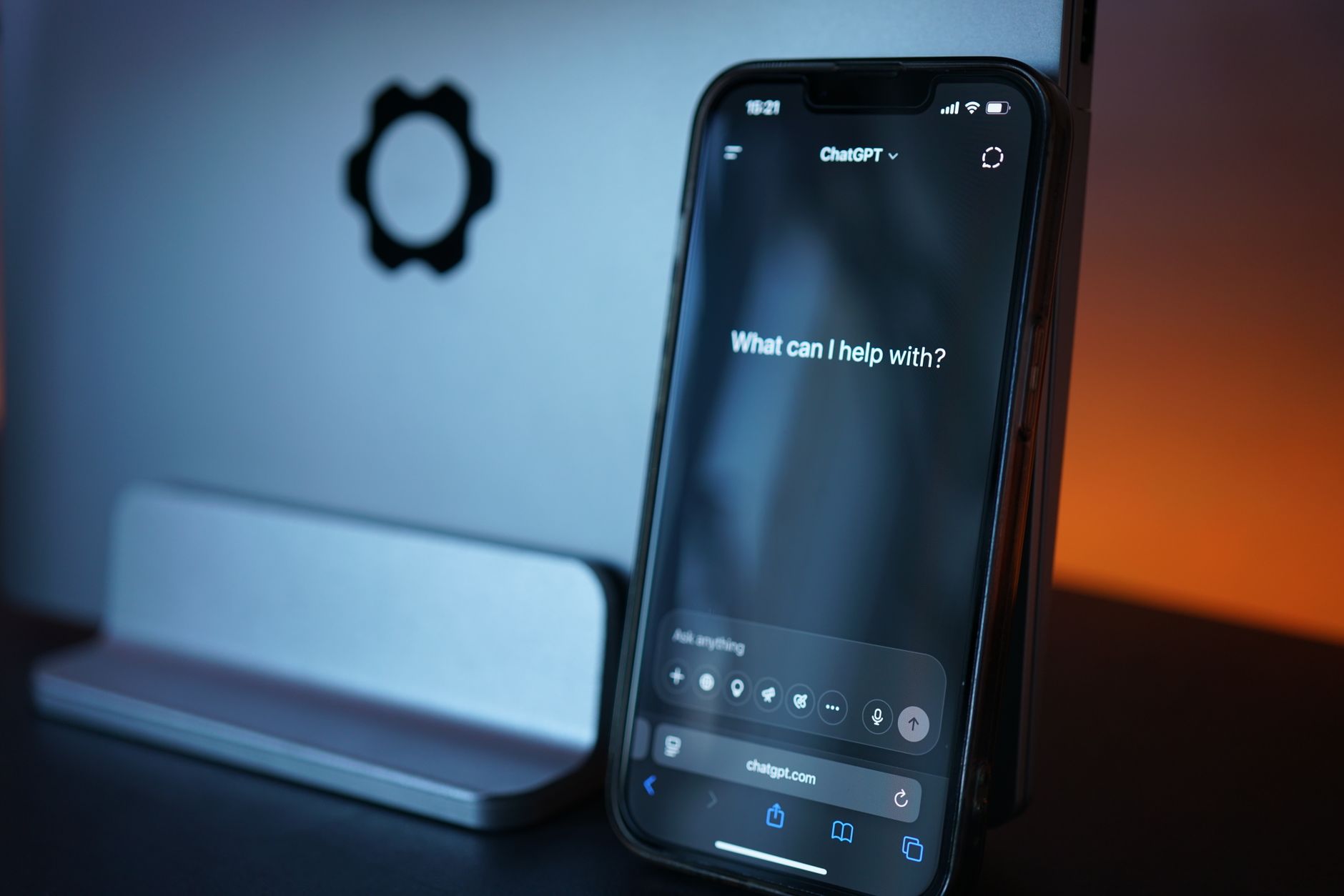
Apple’s developer community discovered something curious hidden beneath the surface of iOS 27: a sophisticated AI framework that the company conspicuously avoided mentioning during its flagship WWDC keynote on June 8. According to reporting from Bloomberg’s Mark Gurman, the beta version contains an Extensions framework designed to let iPhone users seamlessly switch between competing AI assistants directly within Siri.
What Happened
The discovery reveals that Apple has engineered support for ChatGPT, Anthropic’s Claude, and Google’s Gemini—three of the industry’s most powerful large language models—within Siri’s core architecture. The framework includes a dedicated settings panel where users can select their preferred AI provider. Yet during Apple’s carefully choreographed WWDC presentation, executives made no mention of this capability, raising questions about why the company buried such a significant feature announcement.
This deliberate omission stands in stark contrast to Apple’s usual marketing strategy, where AI enhancements typically receive prominent stage time. The fact that developers discovered it rather than Apple promoting it suggests internal hesitation about how to position third-party AI integration within their ecosystem.
Key Points
Several factors likely contributed to Apple’s cautious approach. First, the company maintains a carefully curated image around privacy and on-device processing. By defaulting users to external AI services, Apple dilutes its privacy-first messaging—a cornerstone of its brand identity for years. Second, highlighting competition from OpenAI, Google, and Anthropic may undermine Apple’s narrative about its own AI capabilities, particularly as it develops internal intelligence features.
Additionally, Apple may have faced last-minute decisions about implementation details, regulatory considerations, or licensing agreements that made a full announcement premature. The feature’s presence in beta suggests it’s still under refinement, potentially explaining why it wasn’t ready for prime-time presentation.
What This Means
For consumers, this hidden framework represents genuine choice—the ability to leverage different AI models based on specific needs and preferences. For Apple, it represents a pragmatic acknowledgment that no single company can dominate all AI use cases. Rather than forcing users into a proprietary solution, Apple is enabling competition at the assistant level.
This approach also signals Apple’s strategic pivot. Instead of positioning Siri as the definitive AI assistant, the company is transforming it into a gateway to multiple AI ecosystems. It’s a fascinating reversal from Apple’s traditional closed approach, suggesting the company recognizes that winning in AI requires openness—even if that message doesn’t fit neatly into a keynote presentation.
Expect more details when iOS 27 reaches public beta, but for now, Apple’s silent strategy speaks volumes about the future of AI on iPhone.