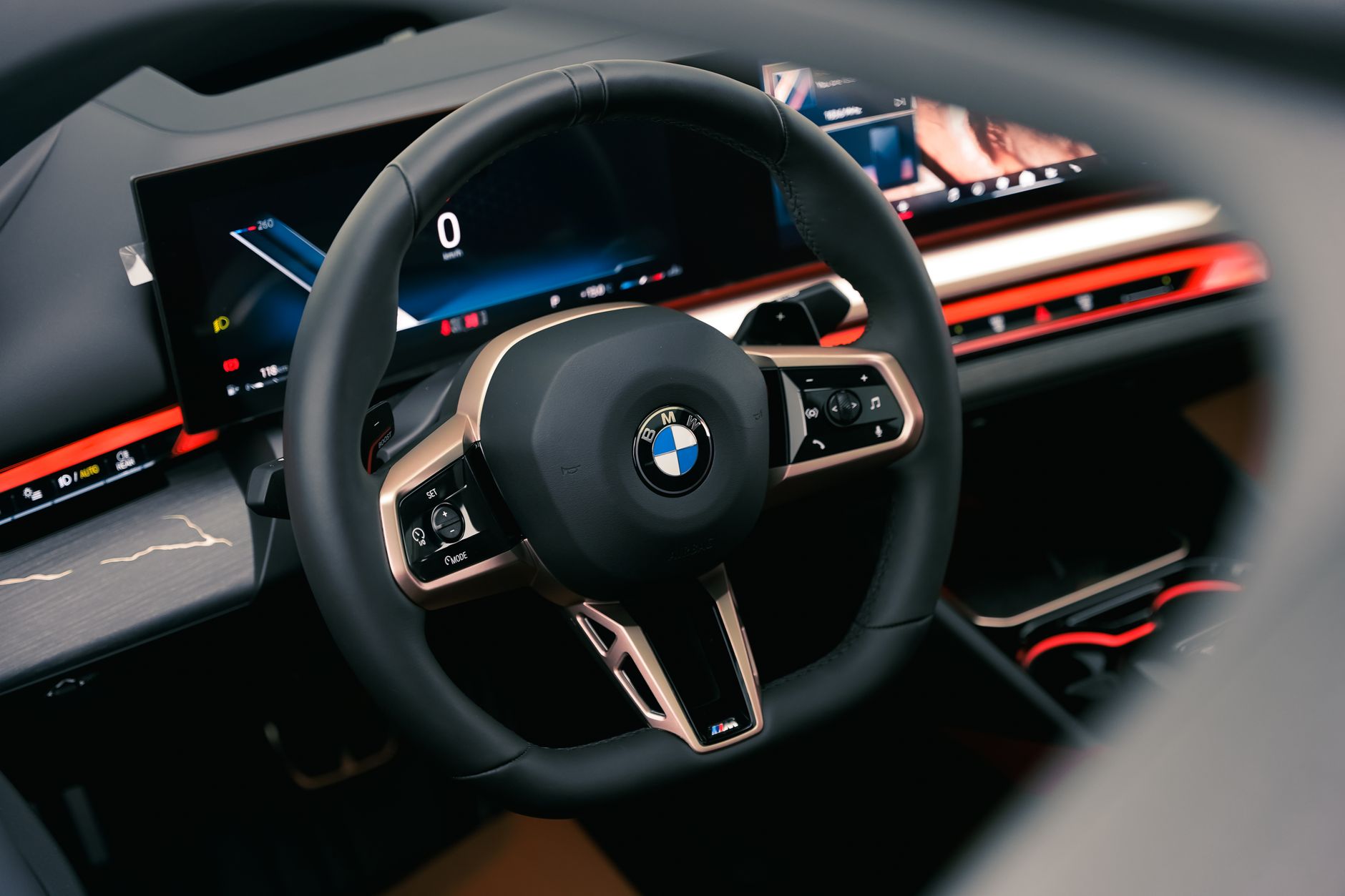
BMW has officially crossed a major threshold in its electric vehicle journey, delivering its two millionth fully electric car. The milestone vehicle, an i5 M60 xDrive, rolled off the production line at the company’s Dingolfing facility in Germany before being handed to a customer in Spain. This achievement underscores the German automaker’s commitment to electrification and reveals important trends about where EV demand is strongest globally.
What Happened
The two-million-unit milestone represents years of investment and production scaling by BMW Group, which includes BMW, Mini, and Rolls-Royce brands. The company delivered 116,807 battery-electric vehicles in the second quarter alone, demonstrating substantial production capacity. Europe dominated the numbers, accounting for 81,445 of those Q2 sales—approximately 70 percent of BMW’s quarterly EV output. This regional concentration reveals where the company sees its strongest market demand and where regulatory pressures for electrification are most acute.
The i5 M60 xDrive destination in Spain highlights growing EV adoption across Southern Europe, a region increasingly committed to phasing out internal combustion engines. BMW’s ability to sustain these production volumes while managing a global supply chain shows how established automakers are competing directly with Tesla and Chinese manufacturers on scale.
Key Points
BMW’s achievement matters for several reasons. First, reaching two million EVs demonstrates that legacy automakers can successfully transition to electric powertrains at scale. Second, the heavy European weighting—seven out of ten cars sold last quarter—reflects the continent’s aggressive climate policies and consumer preference for EVs. Third, the company’s production capacity at facilities like Dingolfing suggests BMW can continue ramping output to meet demand.
However, the numbers also reveal challenges. While two million sounds substantial, it pales compared to Tesla’s cumulative EV sales and the explosive growth of Chinese EV makers like BYD. BMW’s quarterly deliveries, while impressive, show that traditional manufacturers are playing catch-up in a market increasingly dominated by dedicated EV specialists.
What This Means
For American consumers and investors, BMW’s milestone signals that the EV transition is moving faster than many anticipated. Traditional luxury automakers aren’t being disrupted—they’re adapting successfully, at least in established markets. The strong European performance suggests that regions with supportive regulatory environments see faster EV adoption rates.
However, this also highlights a geographic opportunity gap. BMW’s heavy reliance on European sales means significant growth potential remains in North America and Asia. As production scales and battery costs decline further, expect legacy automakers to intensify competition in EV segments traditionally dominated by startups and specialists.