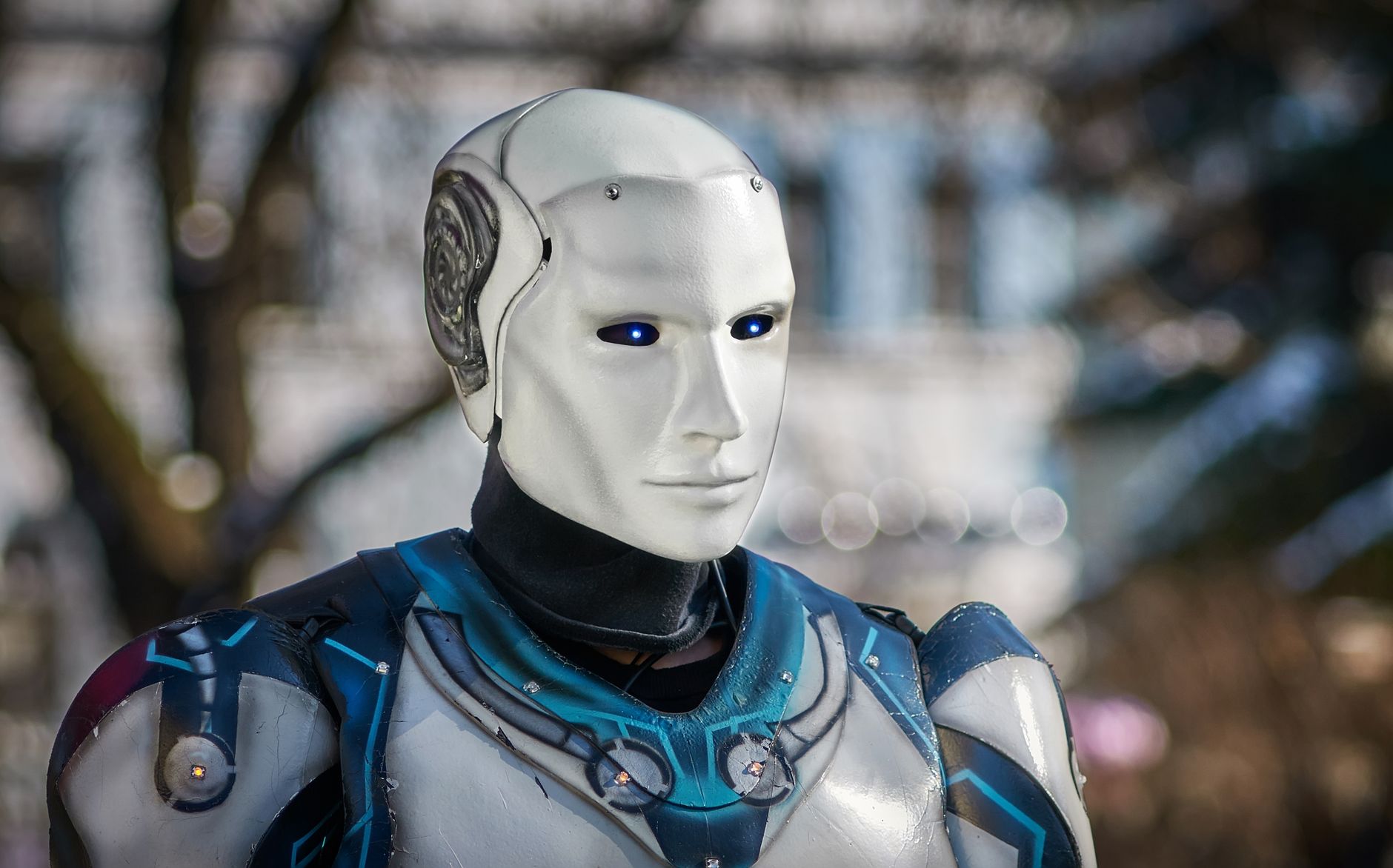
BYD, the world’s largest electric vehicle manufacturer, is taking an unconventional approach to combat slowing sales: deploying humanoid robots as showroom sales associates. The Chinese automaker plans to unveil its first working prototype next month at Di Space experience centers in Zhengzhou, marking a significant shift in how the company engages potential customers.
What Happened
BYD announced its August robot debut to the South China Morning Post, positioning the initiative as a direct response to declining EV sales in a increasingly competitive market. Rather than releasing a mere concept vehicle, the company will showcase a fully functional prototype capable of interacting with customers on the showroom floor. This move represents BYD’s aggressive pivot toward automation and AI-driven customer engagement at a critical moment for the company’s market position.
The humanoid robot deployment aligns with BYD’s broader technological ambitions. The company, which has already established itself as a battery manufacturing powerhouse, sees robotics as a natural extension of its AI and manufacturing expertise. By integrating robotic sales assistants into its retail strategy, BYD aims to create a futuristic brand experience that differentiates it from traditional competitors.
Key Points
The timing of BYD’s robot rollout cannot be ignored. Global EV sales have plateaued after years of explosive growth, and Chinese automakers face intensifying competition from Tesla and emerging startups. Sales figures for Chinese EV makers have declined noticeably in recent quarters, prompting companies to seek innovative solutions. BYD’s humanoid robot strategy represents a calculated gamble: invest in cutting-edge retail technology to attract tech-savvy consumers and generate media buzz.
The Di Space experience centers represent BYD’s premium retail concept, suggesting the robots will debut in upscale environments designed to appeal to affluent early adopters. This controlled rollout allows BYD to refine the technology and gather customer feedback before expanding to additional locations. The prototype nature of the robot indicates the company views this as an evolutionary first step rather than a finished product.
What This Means
For American tech observers, BYD’s robot initiative signals that Chinese manufacturers are willing to embrace experimental technologies to maintain market share. If successful, this could accelerate robotics adoption across automotive retail globally. Other major automakers may feel pressure to implement similar AI-driven solutions to remain competitive. The move also demonstrates how struggling sales figures can catalyze innovation, turning business challenges into opportunities for technological differentiation and brand elevation.