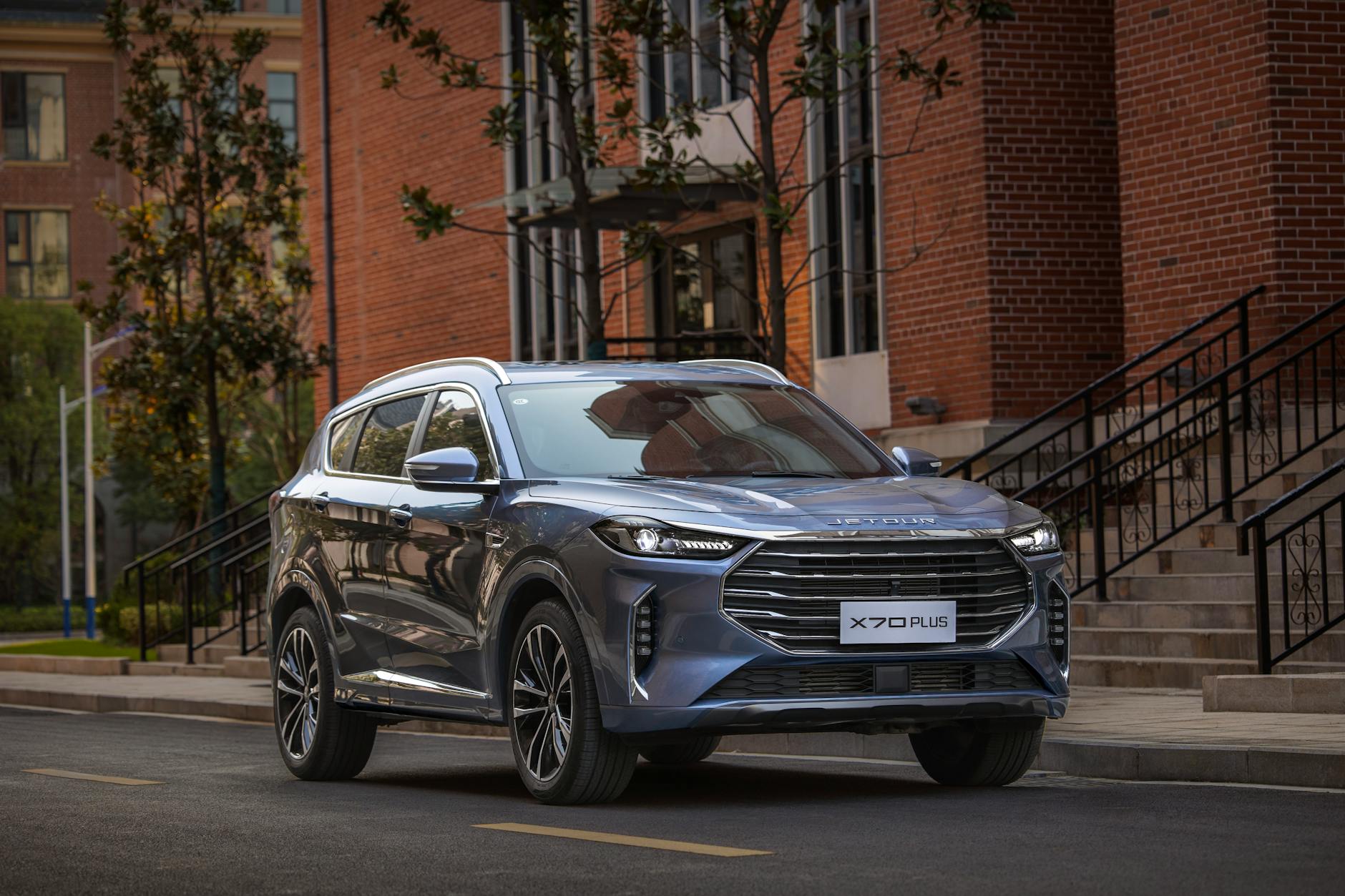
China’s electric vehicle revolution is hitting a literal speed bump. The nation’s EVs have become so heavy that they no longer fit into parking spaces designed just over a decade ago—a problem forcing Chinese automakers to rethink their entire design philosophy.
What Happened
According to state broadcaster CCTV, the average passenger car in China weighed 1,704 kilograms in 2024, representing a staggering 35% increase from 2012. The culprit? Massive battery packs combined with increasingly luxurious features and aggressive SUV proportions. Many popular models now exceed 2 meters in width, making them too wide for parking spaces that have remained unchanged for years. Some vehicles approach 2.5 tons, creating a genuine infrastructure problem across Chinese cities.
This weight gain directly correlates with battery capacity expansion. As EV manufacturers competed to offer longer ranges and faster charging, they loaded vehicles with increasingly hefty lithium-ion packs. Meanwhile, competitive feature additions—advanced infotainment systems, multiple motors for all-wheel drive, and premium sound systems—further tipped the scales.
Key Points
The weight problem threatens to undermine China’s EV dominance. Heavier vehicles consume more energy, reducing range efficiency and increasing charging infrastructure strain. They also pose safety risks in collisions and accelerate parking infrastructure obsolescence across urban centers already grappling with space constraints.
Chinese manufacturers are now pivoting toward weight reduction strategies. Industry leaders are exploring structural optimization, lighter materials, and more efficient battery designs. Some companies are developing solid-state battery technology that could deliver equivalent capacity in smaller, lighter packages. Others are reconsidering vehicle dimensions entirely, moving away from bloated SUVs toward more compact sedan designs.
The government appears poised to address this issue, with potential regulations on maximum vehicle width and weight limits potentially being on the horizon.
What This Means
This represents a critical inflection point for global EV design. As American and European manufacturers scale their EV fleets, they face similar challenges with parking infrastructure compatibility and weight efficiency. China’s weight crisis could become a cautionary tale—or a blueprint—for how other markets balance range, features, and practicality.
For consumers, expect lighter, more efficient EVs hitting the market within the next two years as Chinese manufacturers optimize battery technology and strip unnecessary features. The EV revolution may be about to go on a serious diet.


