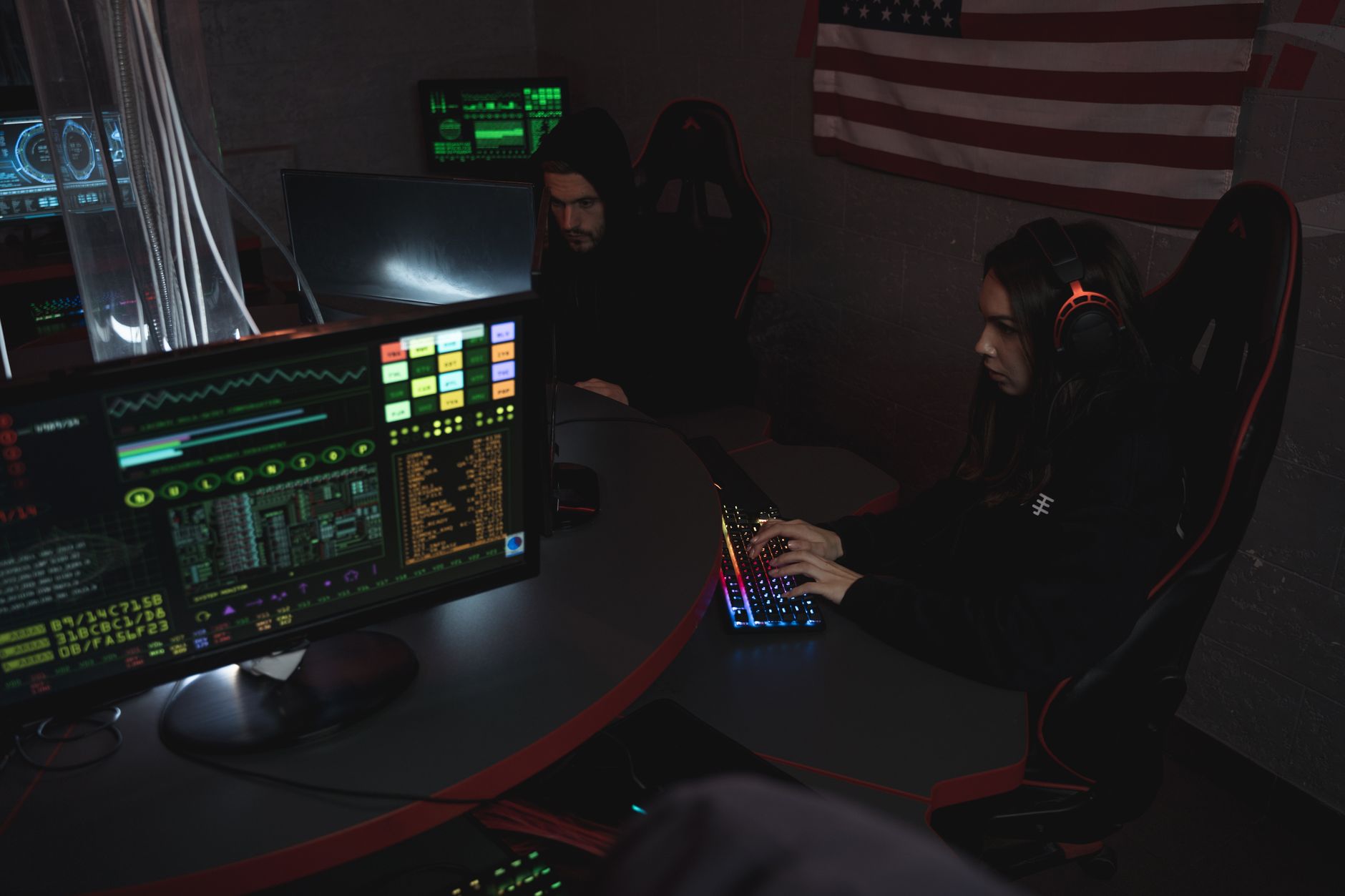
Universities across the United States and Canada are reeling from a coordinated cyber espionage campaign targeting their most sensitive research. Security researchers have uncovered evidence that a Chinese state-sponsored group has been systematically infiltrating academic institutions to steal credentials and intellectual property from researchers working in physics, engineering, and national security fields.
What Happened
Proofpoint, a leading cybersecurity firm, disclosed this week that the threat actor group UNK_MassTraction has been conducting a sustained campaign against North American universities since at least May. The attackers exploited a vulnerability in Roundcube, a widely-used open-source webmail client, to gain unauthorized access to university email servers. By compromising staff mailboxes, the group obtained login credentials and sensitive research documentation that could provide significant advantages in both military and commercial technology development.
The campaign represents a sophisticated, persistent effort to infiltrate academic institutions that serve as hubs for cutting-edge research in strategic technology sectors. Physics and engineering departments, in particular, contain research with dual-use applications relevant to advanced weapons systems and national defense capabilities.
Key Points
The scope of this operation underscores growing concerns about foreign intelligence operations targeting American research institutions. Academic environments, while important centers of innovation, have historically been viewed as lower-security targets compared to government or corporate facilities. This campaign exploits that vulnerability.
The Roundcube flaw allowed attackers to gain a foothold in institutional email systems without triggering traditional security alerts. Once inside, operators could harvest credentials from multiple users and establish persistence for long-term intelligence gathering. The timing and targeting suggest a state-level operation with resources and strategic objectives aligned with geopolitical priorities.
What This Means
Universities must immediately audit their email security infrastructure and apply patches to vulnerable systems. IT teams should conduct forensic investigations to determine breach scope and notify affected researchers and collaborators. Institutions with federally-funded research programs have particular responsibilities to report these incidents to appropriate government agencies.
This campaign highlights the expanding threat landscape facing American institutions. Unlike traditional criminal cyber operations motivated by financial gain, state-sponsored espionage targets intellectual property and research breakthroughs with long-term strategic value. As international competition over emerging technologies intensifies, expect similar campaigns targeting other research-intensive institutions.
The incident serves as a critical reminder that cybersecurity is a national security imperative. Academic institutions must implement enterprise-grade security measures, maintain current patching practices, and establish robust incident response protocols to protect research from foreign intelligence operations.