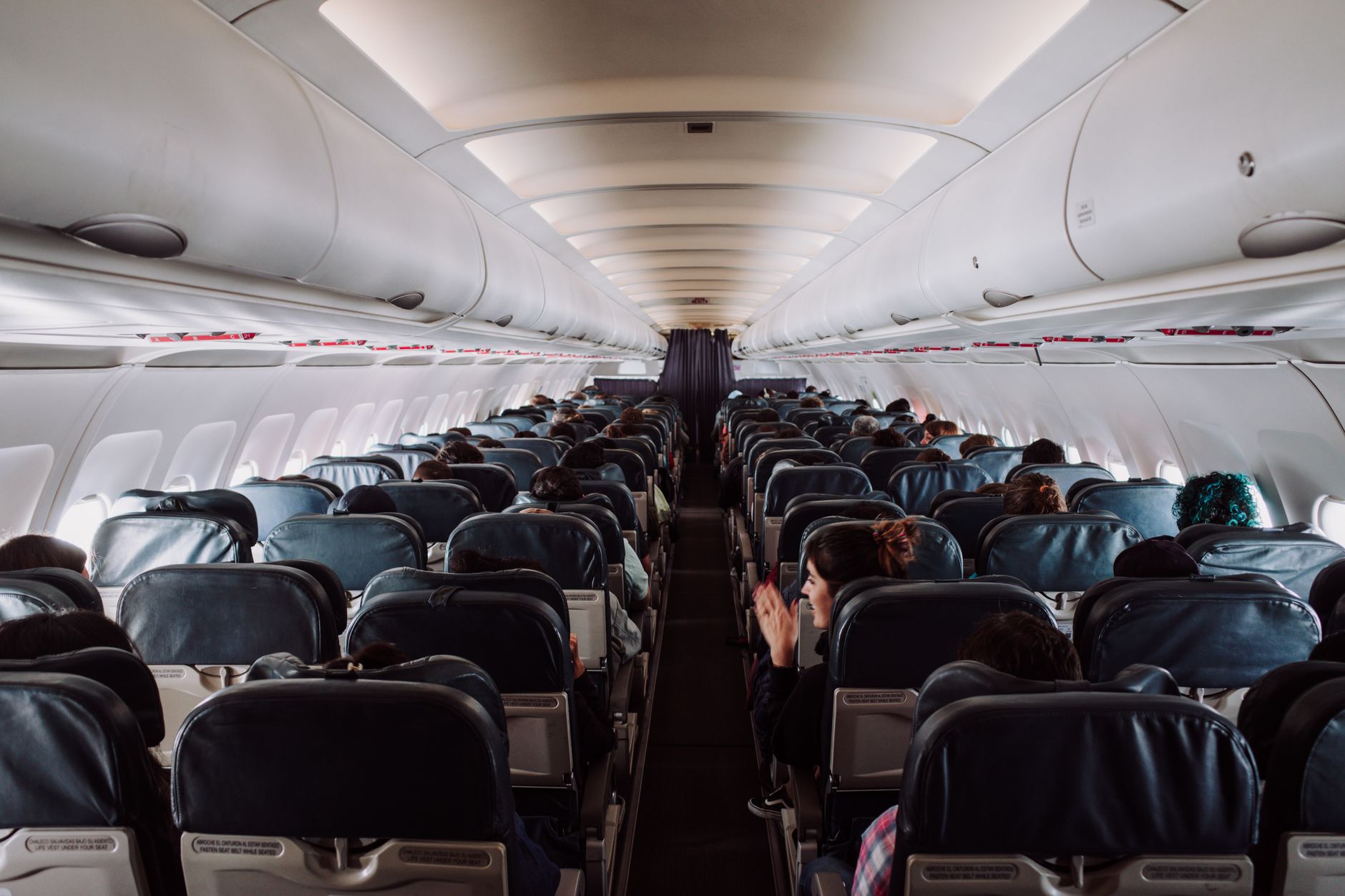
A sophisticated wireless spoofing attack aboard a Delta Air Lines flight has drawn suspicion toward attendees of DEF CON, the world’s largest hacker conference. The incident highlights the growing vulnerability of commercial aviation to in-flight cybersecurity threats and raises urgent questions about airline network protections.
What Happened
During a recent Delta flight, passengers and crew detected suspicious Wi-Fi hotspots appearing on their devices’ available networks. Cybersecurity researchers monitoring the incident traced the fake access points to what they believe were sophisticated threat actors traveling on the aircraft. The attackers created convincing replicas of legitimate Delta in-flight Wi-Fi networks, a technique known as an “evil twin” attack.
According to initial reports, the fake hotspots were active for several hours, potentially exposing passenger data to interception. Delta officials discovered the breach through their network monitoring systems and immediately notified relevant authorities. The timing coincided suspiciously with several known DEF CON 2024 attendees booked on the flight.
Key Points
Evil twin attacks represent one of the most accessible yet effective cybersecurity threats in the modern aviation industry. By mimicking legitimate networks, attackers can capture unencrypted data, credentials, and sensitive communications from unsuspecting travelers. This particular incident demonstrates that even commercial airlines with dedicated IT security teams remain vulnerable to determined actors.
DEF CON, held annually in Las Vegas, attracts thousands of cybersecurity professionals, researchers, and ethical hackers. While the conference emphasizes responsible disclosure and legal hacking practices, it also draws individuals interested in exploring vulnerabilities. The proximity of the attack to DEF CON’s conclusion suggests attackers may have been testing techniques learned at the event.
Security experts note that commercial aviation has become an increasingly attractive target for threat actors. Airlines process massive volumes of personal data, payment information, and travel patterns. In-flight networks present a captive audience with limited awareness of cybersecurity risks.
What This Means
This incident should serve as a wake-up call for the aviation industry. Airlines must implement stronger network security protocols, including mandatory encryption for all in-flight communications and advanced intrusion detection systems. Passengers should adopt basic protective measures like using VPNs and avoiding sensitive transactions on public Wi-Fi networks.
The investigation continues as authorities work to identify the specific individuals responsible. Airlines and cybersecurity agencies are reviewing flight manifests and coordinating with DEF CON organizers. Industry observers expect this event to accelerate discussions about aviation cybersecurity standards and regulatory requirements moving forward.