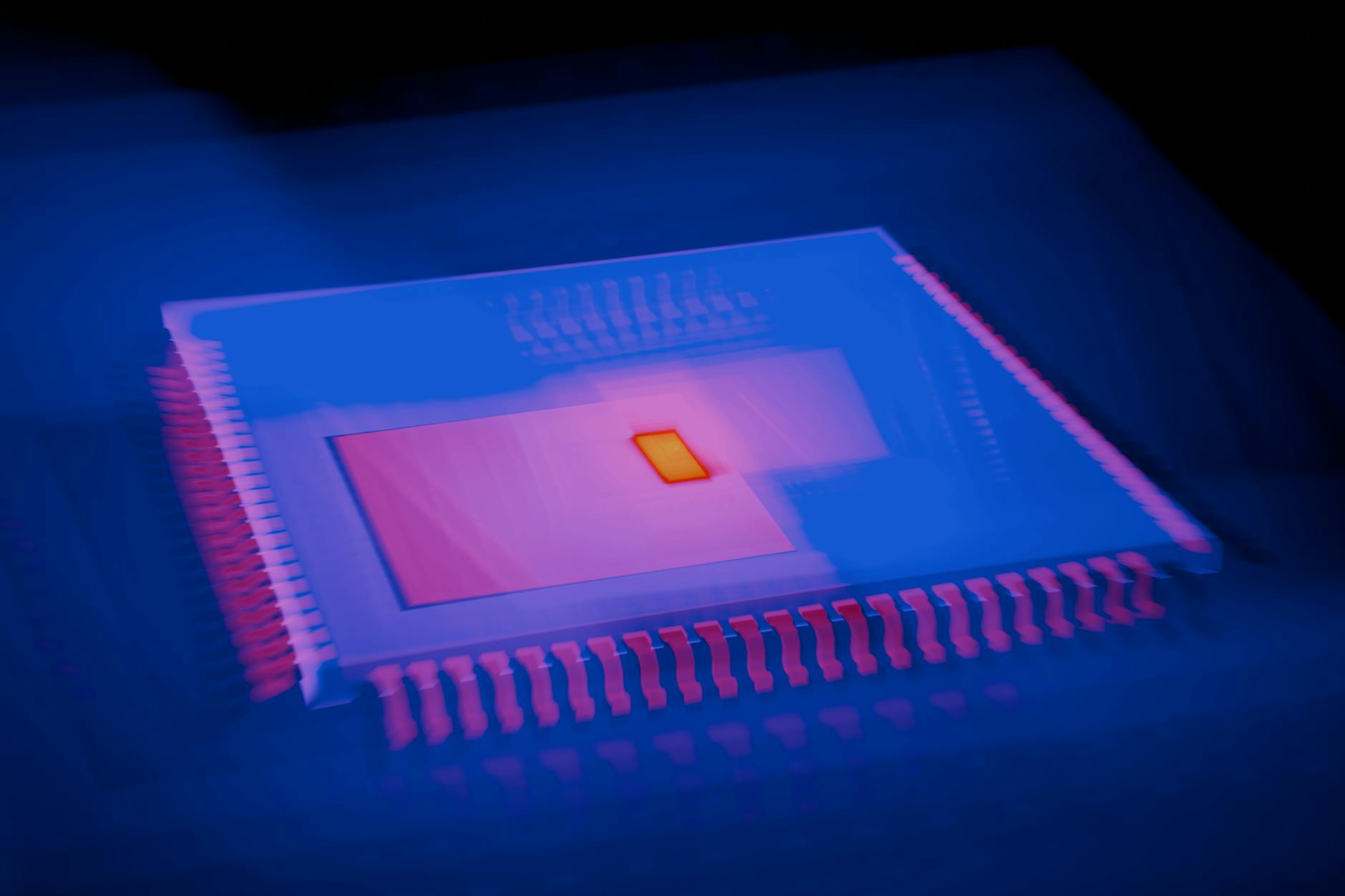
A Dutch quantum computing company has just secured one of the largest funding rounds in European deeptech history, signaling major momentum in the race to build practical quantum processors at scale. QuantWare’s €152 million Series B funding round represents a watershed moment for the region’s ambitions to compete globally in quantum technology—and a validation that serious investors believe the infrastructure for quantum manufacturing is ready to take off.
What Happened
QuantWare announced the close of its Series B round with backing from heavyweight investors including Intel Capital, In-Q-Tel (the CIA’s venture arm), and ETF Partners, joining existing backers FORWARD.one and Invest-NL. This funding haul stands as the largest ever raised by a Dutch deeptech company and the biggest private funding round closed by any dedicated quantum processor manufacturer to date. The Amsterdam-based company plans to deploy the capital toward constructing what it describes as the world’s first open-architecture quantum processor fabrication facility, headquartered in Delft.
Key Details
QuantWare’s vision centers on democratizing quantum processor manufacturing through an open-architecture model—essentially creating a public foundry service rather than keeping technology proprietary. The new fab will serve as a hub for quantum processor production, positioning Europe to reduce its dependence on overseas quantum hardware suppliers. The timing matters: by 2026, QuantWare aims to have operational fabrication capacity online, which would make it a critical piece of Europe’s quantum ecosystem during a period when quantum computing is transitioning from laboratory experiments to early commercial applications.
What This Means for You
For American tech leaders, this development carries strategic implications. The convergence of government support (In-Q-Tel’s participation), private venture capital (Intel Capital), and European backing suggests that quantum computing infrastructure is graduating from speculative research to real industrial buildout. This could reshape where quantum processors get manufactured and designed going forward. If QuantWare executes successfully, it shifts competitive dynamics in quantum hardware away from being concentrated solely among US companies and toward a distributed international supply chain.
The broader takeaway: quantum computing’s commercial timeline is accelerating, and the companies that secure manufacturing capability will have outsized influence over standards and accessibility in the coming decade. QuantWare’s funding validates that thesis convincingly.