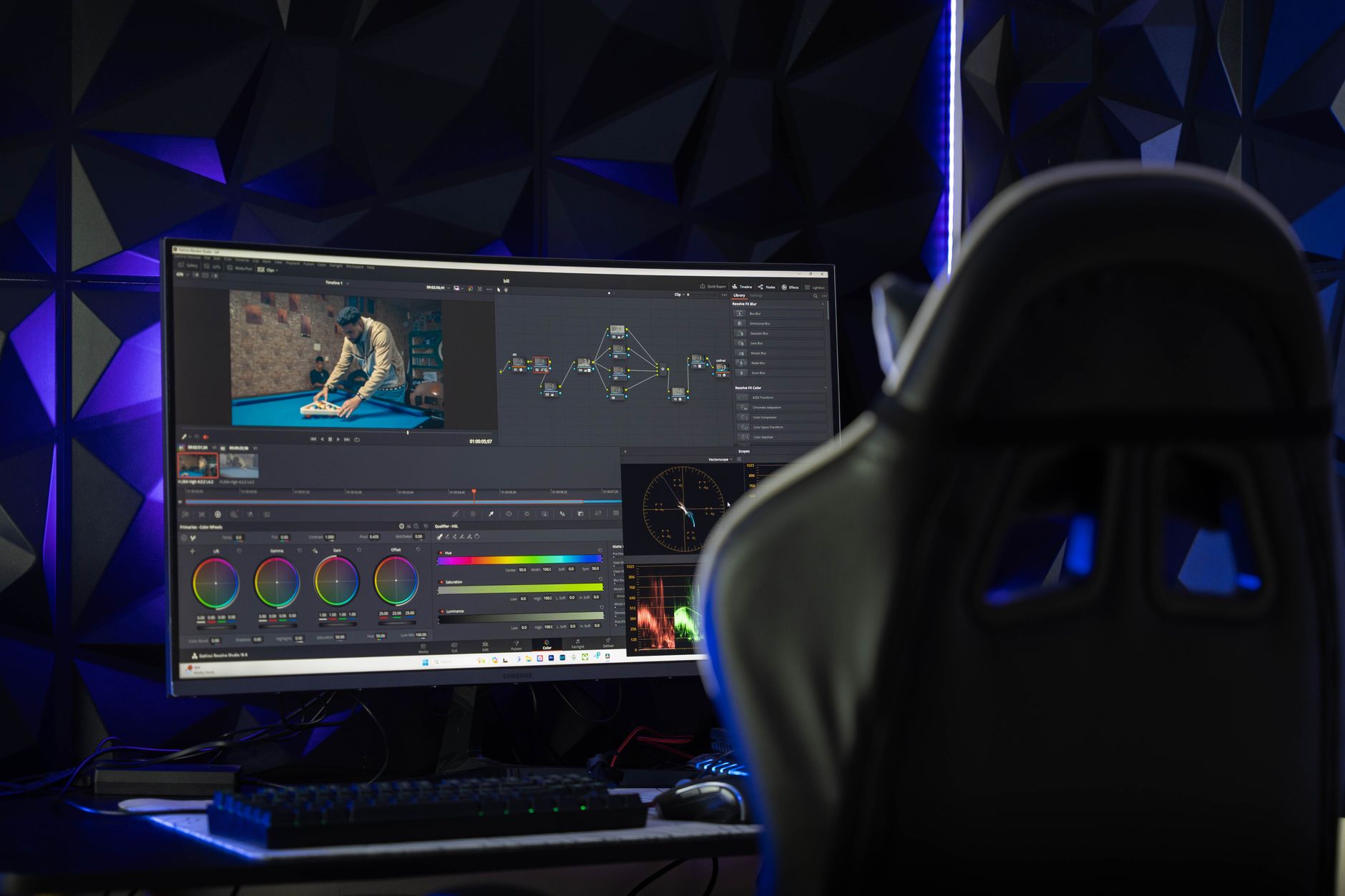
Face AI, a Los Angeles-based artificial intelligence startup, has unveiled a significant upgrade to its video face swap technology that promises to streamline content creation workflows while dramatically improving visual quality. The announcement, made Friday, introduces faster processing speeds and sophisticated facial tracking capabilities that address long-standing challenges in deepfake and synthetic media production.
What Happened
Face AI’s latest update transforms its video face swap feature with three critical improvements: enhanced facial tracking accuracy, preservation of natural facial expressions during the swap process, and stabilized scene rendering across varying conditions. The platform now processes queued videos in under one minute—a substantial speed improvement that makes the tool more practical for professional and consumer applications.
The enhanced tracking system handles previously problematic scenarios including changing lighting conditions, dynamic camera angles, and partial face occlusions from accessories like glasses and hats. These refinements represent significant technical achievements in computer vision and neural rendering, areas where Face AI has been quietly building expertise since its founding.
Key Points
The update addresses the most common pain points creators face when using face swap technology. Professional video editors and content creators have historically struggled with artifacts, loss of natural expression, and processing times that stretch workflows. Face AI’s solution targets each friction point directly.
Sub-minute processing represents a game-changer for creators working on tight deadlines. Traditional face swap tools often require 5-15 minutes per video clip, forcing content producers to batch process work overnight. Faster turnaround enables real-time iteration and faster creative feedback loops.
The expression preservation technology is particularly noteworthy. Earlier face swap iterations often produced uncanny, emotionless results because they failed to capture subtle facial micro-expressions. Face AI’s new algorithm captures and transfers these nuances, producing results that feel significantly more authentic and less obviously synthetic.
What This Means
Face AI’s advancement signals the maturing face swap technology landscape. What began as a novelty tool for entertainment is becoming infrastructure for legitimate creative professionals. As the technology improves, we’ll likely see broader adoption across film, television, advertising, and social media platforms.
However, this raises important questions about synthetic media regulation and authenticity verification. As face swap tools become faster and more accurate, distinguishing genuine footage from manipulated content becomes increasingly difficult. The industry will need robust authentication standards and transparency requirements.
For content creators, Face AI’s update means more accessible, faster professional-quality video editing capabilities. For the broader tech industry, it demonstrates how AI advancement in computer vision continues accelerating, with real commercial applications driving innovation forward.