When most people think of Huawei, images of smartphones and 5G networks come to mind—or perhaps memories of geopolitical tensions. Few realize the Chinese tech giant has quietly built a powerhouse division that’s now competing directly with Tesla in the global energy market.
What Happened
Huawei Digital Power Technology reported 68.7 billion yuan (approximately $9.7 billion USD) in revenue for 2025, representing a robust 24.4% year-over-year increase. The division manufactures solar inverters, battery energy storage systems, and electric vehicle charging infrastructure—three critical components of the global clean energy transition that most Western consumers associate almost exclusively with Tesla.
This performance positions Huawei’s energy business as a serious rival to Tesla’s energy division, which generated around $6 billion in revenue in 2024. The growth rate suggests Huawei is expanding faster than its American competitor in this space.
Key Points
The implications of Huawei’s energy dominance extend far beyond revenue figures. First, it demonstrates that Tesla’s near-monopoly on consumer perception in renewable energy doesn’t translate to actual market leadership globally. Second, it highlights how Chinese technology companies have systematically infiltrated sectors Americans assumed were Western strongholds.
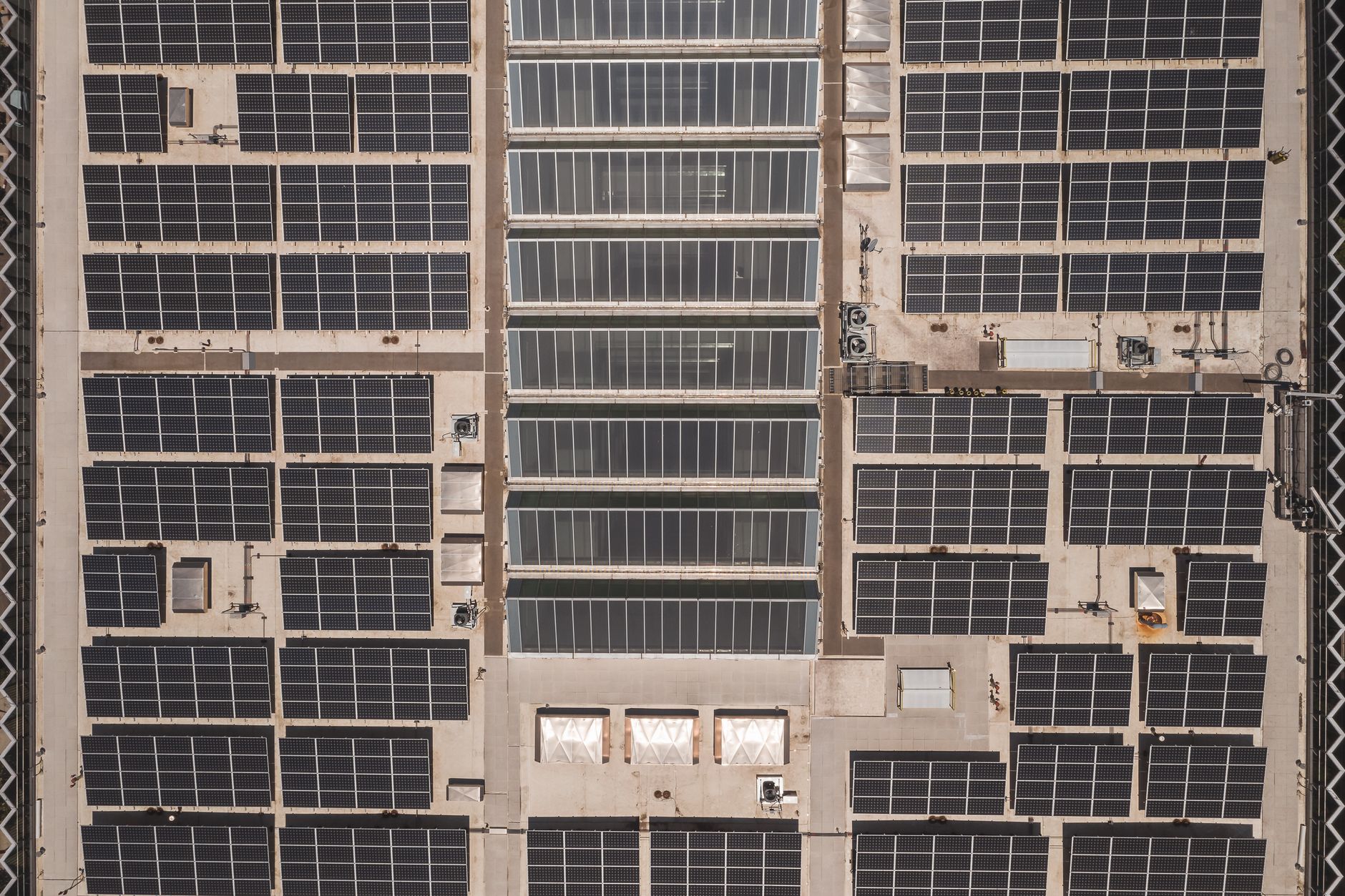
Huawei’s solar inverter business particularly stands out. These devices convert DC power from solar panels into AC power for homes and grids—essential infrastructure that rarely attracts headlines but drives the energy transition. The company has become the world’s largest supplier by market share, shipping units across Europe, Asia, and increasingly, the Middle East.
The battery storage segment represents another competitive frontier. As utilities worldwide invest in grid-scale battery systems to stabilize renewable energy, Huawei competes with companies like Sungrow, LG, and Tesla in providing integrated storage solutions.
What This Means
For American policymakers and investors, this trend signals a critical gap in the clean energy supply chain. While the U.S. invests heavily in EV manufacturing and battery technology, companies like Huawei dominate the less-glamorous but equally essential infrastructure layer.
The financial success of Huawei Digital Power also matters geopolitically. As U.S.-China tensions persist over semiconductors and telecommunications, Huawei’s revenue growth in clean energy represents economic leverage in markets where Western alternatives remain limited or expensive.
For consumers, competition from Huawei could eventually drive innovation and lower costs across solar, storage, and charging technologies. However, it also underscores how Silicon Valley’s narrative about tech leadership doesn’t always match global economic reality. The energy transition won’t be won by memes and market cap—it’ll be decided by whoever can deploy the most reliable, affordable infrastructure at scale.