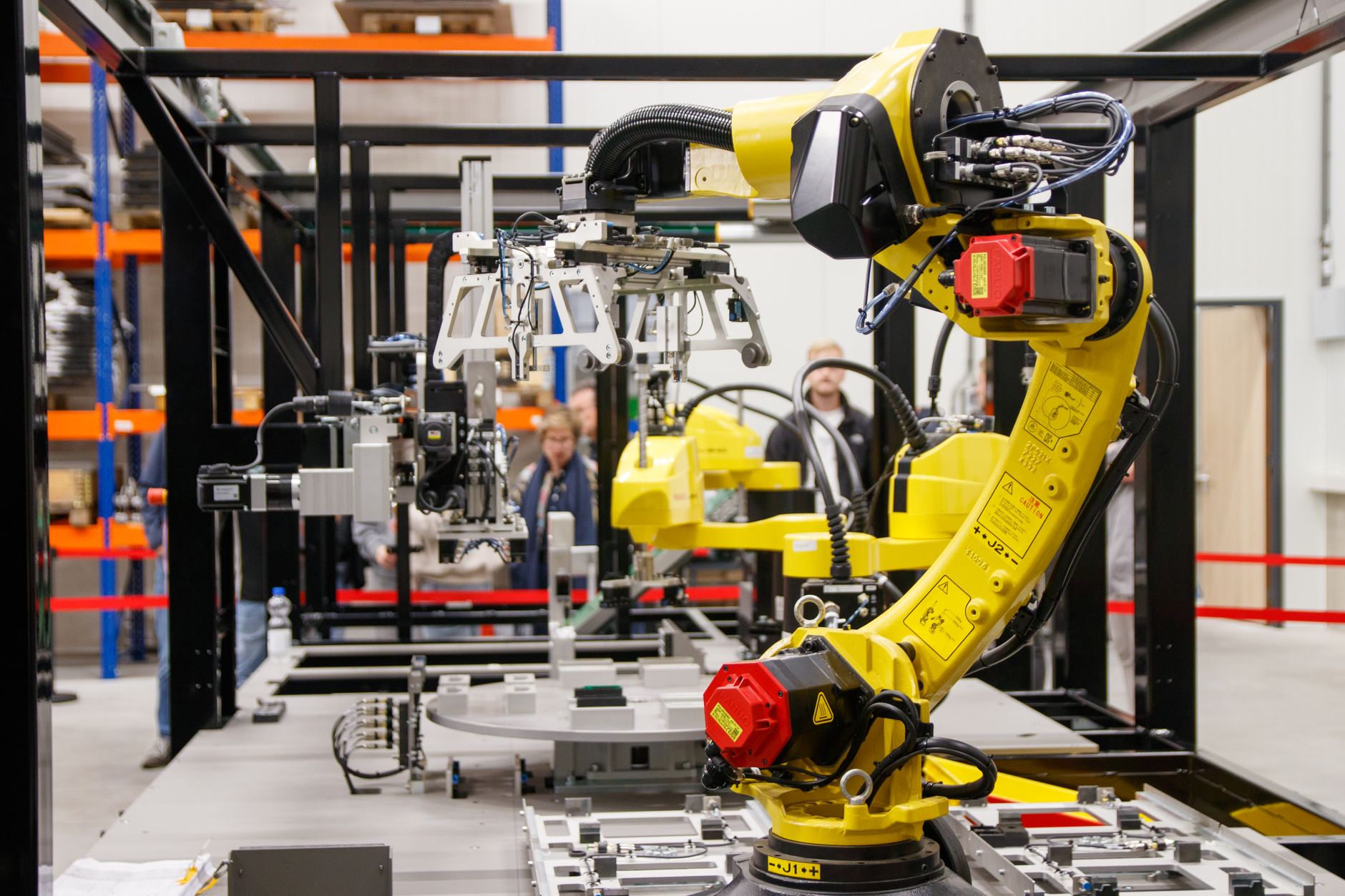
LG Energy Solution officially commenced battery cell production Tuesday at its massive $2 billion Lansing, Michigan manufacturing facility, marking a significant milestone in the company’s North American expansion and a pivotal moment for the U.S. electric vehicle supply chain.
What Happened
The South Korean battery giant ramped up operations at the state-of-the-art facility, which General Motors originally developed as a joint venture before divesting its stake in December 2024. Rather than sit idle, LG Energy Solution immediately pivoted to securing major contracts with two of the world’s largest automakers.
The plant is now producing battery cells destined for Toyota’s upcoming 2027 Highlander EV, establishing LG as a critical supplier for the Japanese automaker’s electrification strategy. Additionally, LG inked a deal to supply cells for Tesla’s Megapack 3 energy storage system beginning next year, positioning the company at the intersection of automotive and grid-scale battery markets.
Key Points
The Lansing facility represents one of the largest battery manufacturing investments ever made in the United States. Its activation underscores how quickly the EV battery supply chain is consolidating around major global players. LG Energy Solution’s ability to secure contracts with Toyota and Tesla demonstrates strong demand for domestically produced battery cells—a critical advantage given recent tariff discussions and reshoring initiatives.
GM’s departure from the venture may signal shifting priorities within the automaker’s battery strategy, though insiders suggest the decision was driven by portfolio optimization rather than plant concerns. LG Energy Solution’s rapid deployment of the facility showcases the attractiveness of established manufacturing infrastructure in the current market.
The Megapack 3 contract particularly highlights LG’s diversification beyond traditional automotive batteries. Tesla’s energy storage business has exploded in recent years, with demand vastly outpacing supply. This contract positions LG to capture significant revenue from the renewable energy storage boom expected throughout the 2020s.
What This Means
For U.S. consumers, this development signals greater battery cell availability and potentially more competitive pricing as domestic production capacity expands. The Lansing plant’s success could attract additional battery manufacturing investment to the Midwest, creating thousands of high-wage manufacturing jobs.
For Toyota and Tesla, securing reliable domestic battery supply addresses critical vulnerabilities in their supply chains while supporting their respective growth trajectories. For LG Energy Solution, the Lansing facility transforms the company into a true North American powerhouse, capable of serving both the automotive and energy storage sectors from domestic soil.
The plant’s opening represents a validation of the U.S. EV industry’s maturation and growing independence from Asian supply chains, though global competition in battery manufacturing remains fierce.


