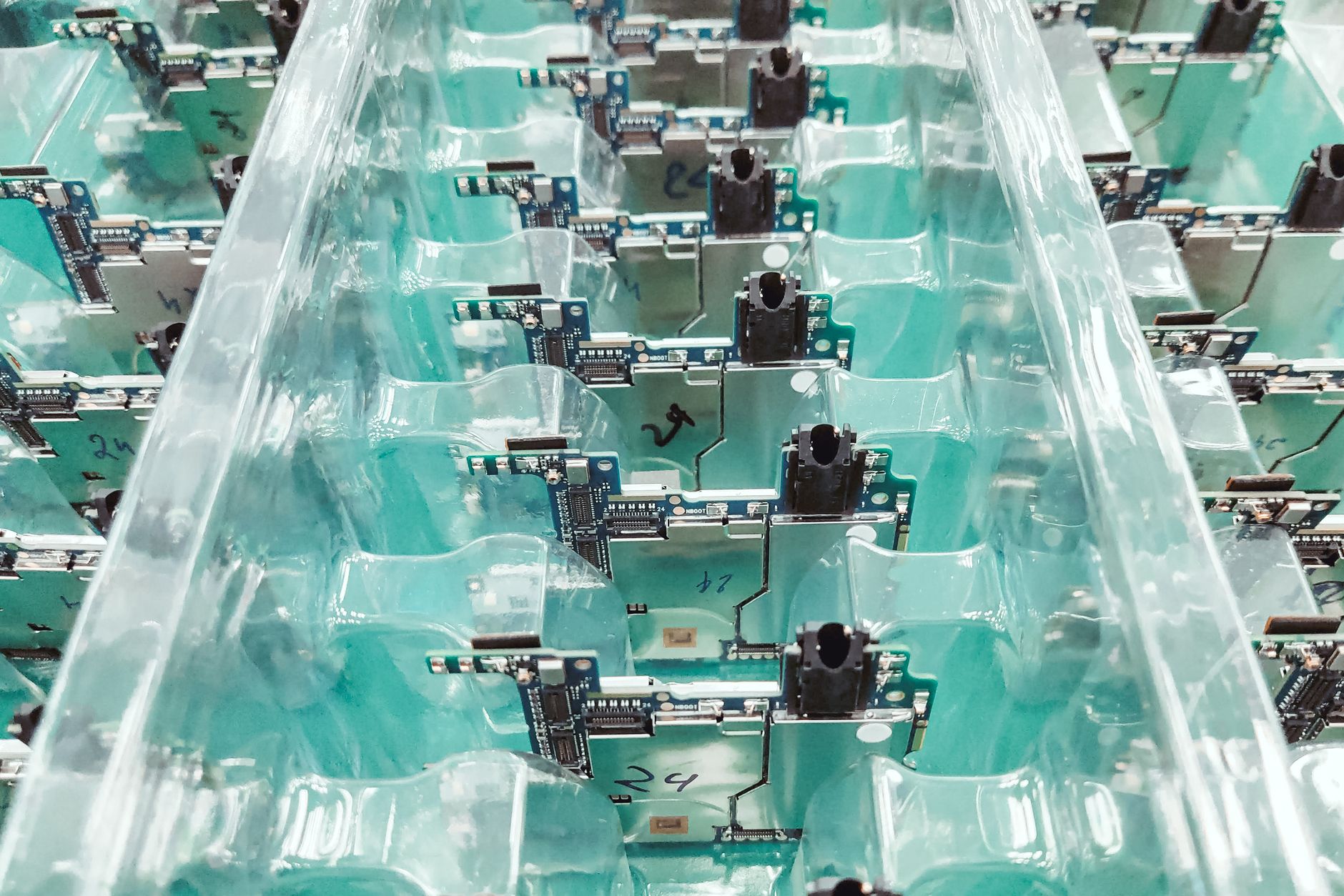
In a striking convergence of biology and computing, researchers have activated the world’s first operational biological data centre powered by living human neurons. The prototype, unveiled in Singapore through a collaboration between the National University of Singapore (NUS) Medicine, data centre operator DayOne, and Melbourne-based biotech firm Cortical Labs, represents a watershed moment in alternative computing architecture.
What Happened
The facility houses a 20-unit rack of CL1 computers, revolutionary devices that harness the computational power of cultured neurons instead of traditional silicon chips. The system is now active and processing data in Singapore, marking the first time such technology has moved beyond laboratory prototypes to real-world deployment. The collaboration leverages Cortical Labs’ breakthrough in biocomputing alongside DayOne’s infrastructure expertise and NUS Medicine’s research capabilities.
This biological computing system operates fundamentally differently from conventional data centres. Rather than relying on transistors and electrical gates, the neuron-based computers utilize the natural information-processing capabilities of human brain cells. These living networks can form connections, fire in patterns, and theoretically perform computational tasks while consuming significantly less power than traditional silicon-based systems.
Key Points
The project’s central claim revolves around energy efficiency—a critical concern as global data centre operations consume roughly 1-2% of worldwide electricity. However, the research team has not yet released specific performance metrics or power consumption figures that would allow independent verification of efficiency gains.
The implications extend far beyond data processing speed. Biological computing could fundamentally reshape how we think about information technology infrastructure. Unlike silicon chips that generate heat and require constant cooling systems, neuron-based computers might operate at biological temperatures with substantially lower cooling requirements. This could revolutionize data centre economics in regions with high electricity costs.
What This Means
For the American tech industry, this development signals that biocomputing is transitioning from theoretical research to practical implementation. Singapore’s emergence as the deployment hub suggests Asia may lead this technological frontier, potentially shifting computing infrastructure development eastward.
The lack of published efficiency data raises questions worth monitoring. The scientific community will demand transparent benchmarks before widespread adoption becomes feasible. Additionally, questions about scalability, longevity of neuron cultures, and maintenance requirements remain unanswered.
What’s undeniable is that we’re witnessing the early stages of a computing revolution. Whether biological neurons ultimately replace silicon at scale depends on forthcoming research results and real-world performance data. For now, Singapore’s humming rack of living neurons represents humanity’s ambitious next chapter in computing innovation—one where biology and technology finally merge into something entirely new.