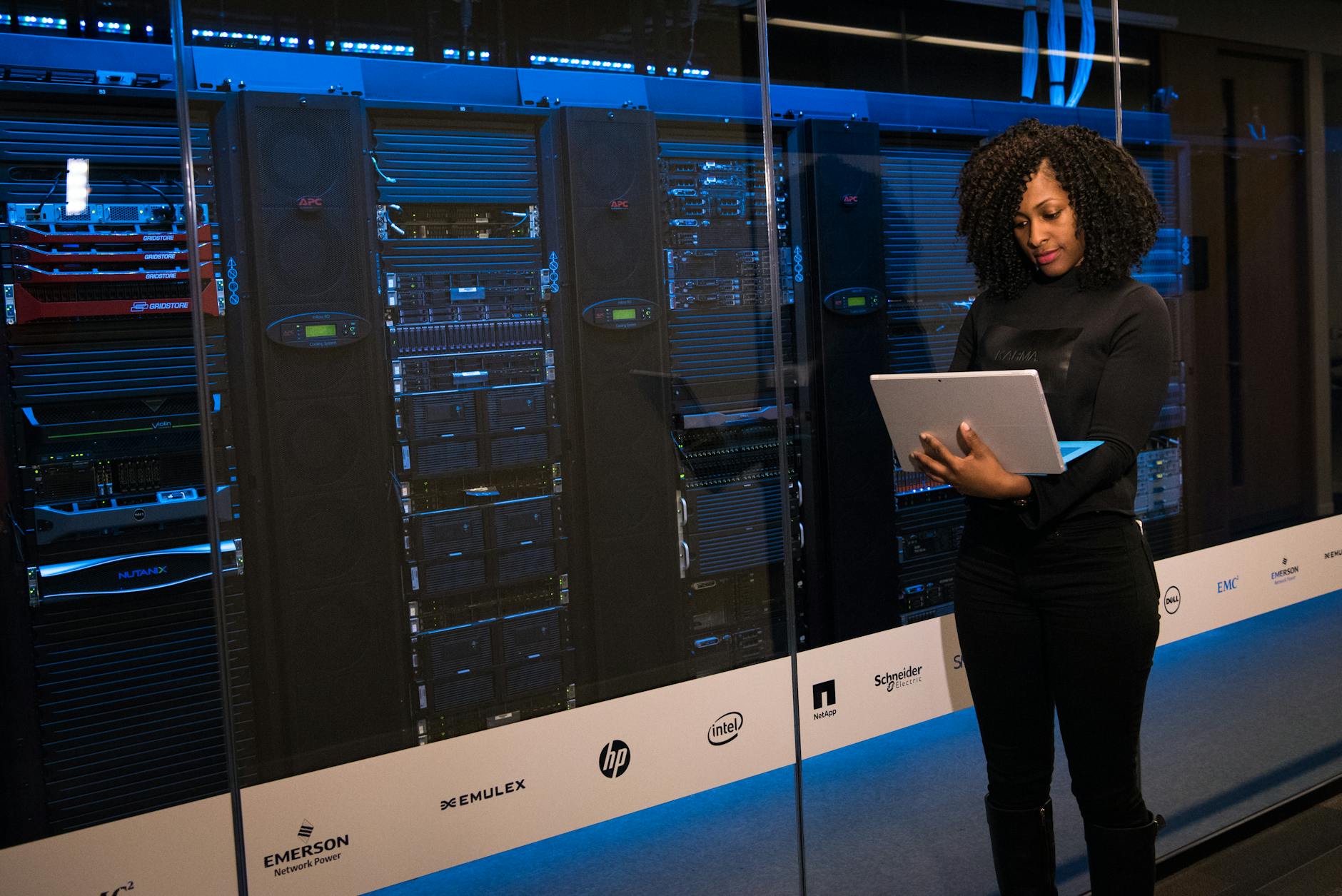
In a significant shift in how the tech industry plans to support its explosive growth, major data center operators have committed to funding their own power generation infrastructure, a move that could reshape energy policy for the computing sector. The pledge, facilitated at the highest levels of government, marks a turning point in how companies will shoulder the financial burden of meeting their enormous electricity demands.
What Happened
Leading data center companies have agreed to invest directly in power generation projects rather than relying solely on existing grid infrastructure. This commitment addresses mounting concerns about energy capacity as artificial intelligence workloads and cloud computing services continue their rapid expansion across the United States. The arrangement essentially shifts responsibility to the private sector for building the renewable and conventional power sources needed to fuel next-generation facilities.
Key Details
The data center industry’s power consumption has become a critical infrastructure challenge. These facilities require constant, massive electricity supplies—some of the largest consuming as much power as entire cities. By committing to finance their own generation capacity, companies can bypass lengthy approval processes and grid constraints that have historically limited expansion. This approach allows developers to site facilities near existing power sources or build dedicated generation capacity alongside their operations. The arrangement potentially includes investments in nuclear, solar, wind, and natural gas facilities, giving companies flexibility in their energy sourcing strategies.
What This Means for You
This development carries major implications for technology consumers and investors. Companies willing to self-fund power infrastructure can accelerate AI service deployment and expand cloud capacity without grid limitations. This could mean faster innovation cycles and more competitive pricing for cloud services. However, it also raises questions about energy equity—critics worry that tech giants’ ability to fund private power projects could leave smaller operators and rural communities with less grid investment. Additionally, the arrangement’s environmental impact depends heavily on which energy sources companies choose for their funded projects.
The data center industry’s commitment to financing its own power future represents a pragmatic solution to an urgent problem, but the broader consequences for American energy infrastructure and competition remain to be seen. As AI continues reshaping the tech landscape, how companies power their ambitions will prove just as important as the innovations themselves.


