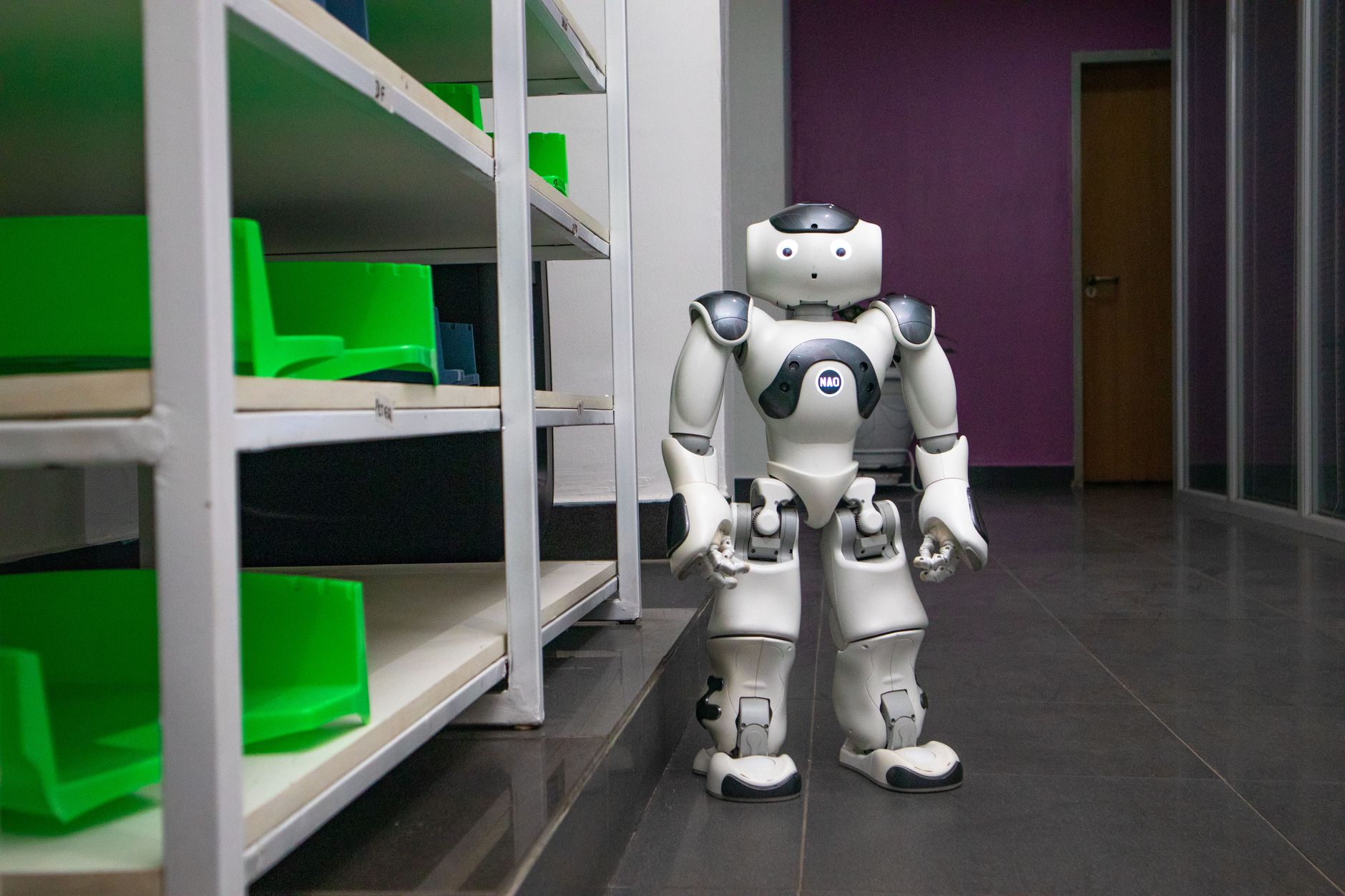
Nvidia’s CEO Jensen Huang arrived in Seoul this week to underscore a deepening commitment between the chipmaker and Hyundai Motor Group—one that places cutting-edge robotics and autonomous systems at its core. The symbolic centerpiece of his visit? Boston Dynamics’ Atlas robot, now operating in Hyundai’s headquarters lobby.
What Happened
During Huang’s visit to Hyundai’s Seoul headquarters, the company showcased its robotic capabilities in a live demonstration that went beyond typical corporate theater. Atlas robots were deployed across multiple functions: watering plants, performing security patrols, and handling package deliveries throughout the building. The display wasn’t merely decorative—it represented a tangible glimpse into Hyundai’s vision for autonomous robotics in everyday environments.
This visit signals a major acceleration in the Nvidia-Hyundai partnership, which has been building momentum as both companies recognize robotics as a critical frontier in technology. Nvidia provides the computational backbone through its chips and AI platforms, while Hyundai leverages Boston Dynamics’ hardware expertise following its acquisition of the robotics pioneer in 2020.
Key Points
The partnership highlights a crucial trend: traditional automakers are pivoting toward autonomous systems and robotics as revenue diversification beyond vehicles. For Nvidia, partnerships with industrial giants like Hyundai validate its AI infrastructure as the essential layer powering next-generation robots.
Boston Dynamics’ Atlas, long considered the gold standard in humanoid robotics research, is transitioning from academic curiosity to commercial deployment. Its presence in Hyundai’s lobby demonstrates real-world viability—these aren’t lab prototypes but functional units handling actual tasks.
The timing matters. As competition intensifies between tech giants and automotive companies over robotics supremacy, high-profile demonstrations become strategic weapons. China’s robotics investments, Tesla’s humanoid ambitions, and other ventures are pushing players to showcase concrete progress.
What This Means
For American tech firms, this partnership underscores how international collaboration shapes the robotics landscape. Hyundai brings manufacturing scale and automotive expertise, Boston Dynamics contributes advanced robotics, and Nvidia supplies the AI brains—creating a formidable combination.
The implications extend beyond Korean shores. This alliance could accelerate the commercialization timeline for autonomous robots in logistics, manufacturing, and service sectors. For investors and industry observers, it suggests that humanoid robots moving from experimental facilities into operational environments is no longer theoretical.
More broadly, Huang’s visit reinforces Nvidia’s positioning as the essential infrastructure provider for the AI-robotics era. As enterprise adoption of robotics grows, the demand for Nvidia’s processors and platforms will likely intensify, potentially justifying the company’s premium valuations among investors betting on AI’s commercial future.