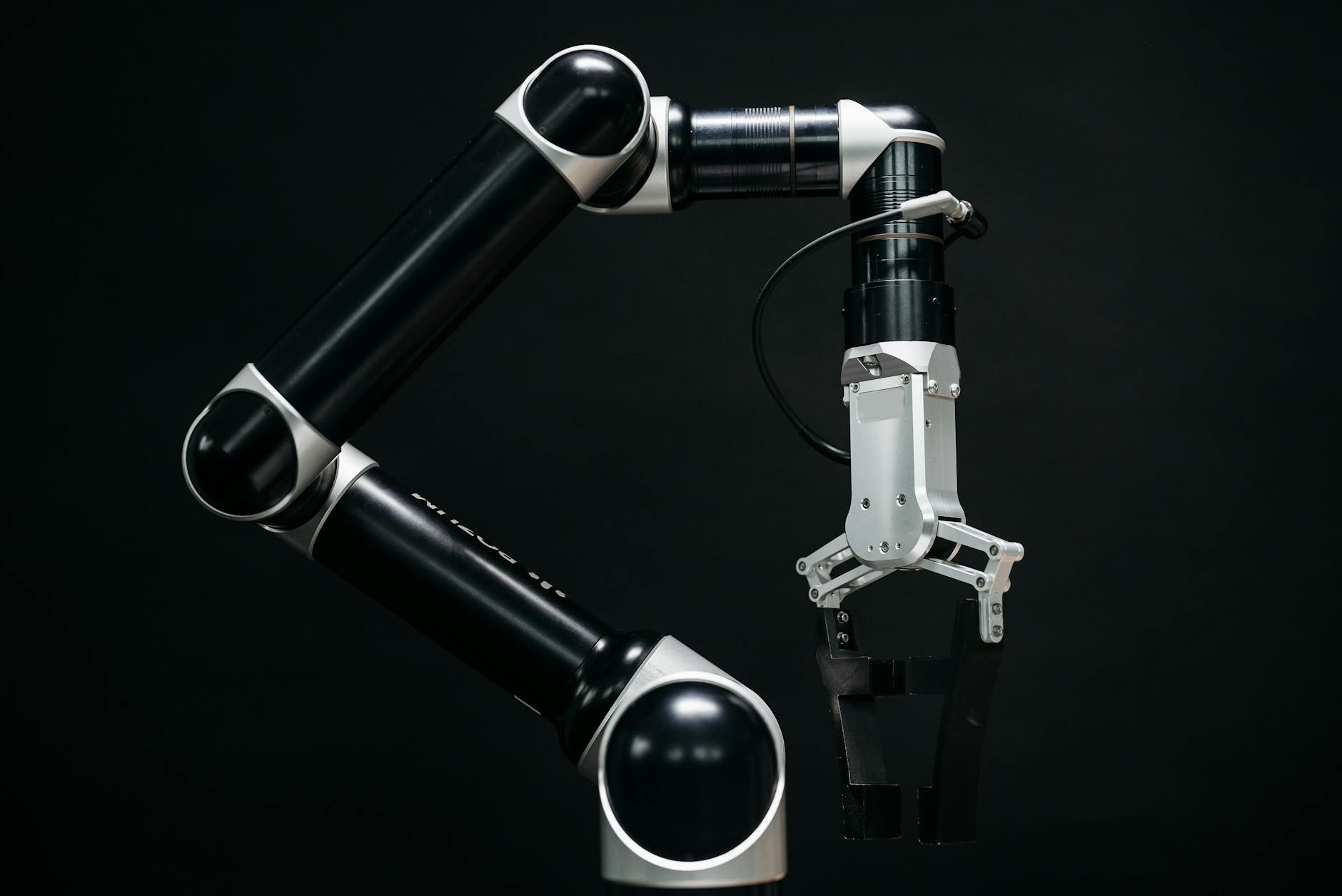
Sereact, a German artificial intelligence robotics company, has announced a $110 million Series B funding round, marking a significant milestone in the race to build industrial robots capable of reasoning through complex tasks before executing them. The investment, led by venture firm Headline, brings fresh capital from Bullhound Capital, Felix Capital, and Daphni, validating the startup’s unique approach to autonomous robotic systems.
What Happened
The Stuttgart-based company has more than quadrupled its growth trajectory in just 15 months, having previously closed a €25 million Series A round. While the company kept its valuation under wraps, the substantial increase in funding size signals strong investor confidence in Sereact’s vision language action models—a category of AI that combines visual perception with decision-making capabilities. The startup has already deployed its technology with major industrial players including BMW, Daimler Truck, and several logistics operators across Europe.
Key Details
What sets Sereact apart from competing robotics firms is its focus on building systems that simulate the consequences of their actions before physically executing them. This predictive capability allows robots to avoid costly errors in manufacturing and warehouse environments, where a single mistake can disrupt production lines or damage valuable inventory. The company’s vision language action models enable robots to understand complex scenes, interpret instructions, and make informed decisions—essentially teaching machines to “think before they act.” This approach addresses a fundamental challenge in industrial automation: enabling robots to handle unpredictable, dynamic environments rather than executing pre-programmed sequences in controlled settings.
What This Means for You
The influx of capital positions Sereact to accelerate development and expand its footprint beyond Europe into North American markets. For manufacturers and logistics companies, this suggests that next-generation robots capable of handling more complex, varied tasks could become commercially available sooner than expected. The technology could reshape labor dynamics across industrial sectors, creating demand for workers skilled in robot oversight and maintenance while potentially automating repetitive, physically demanding jobs. For investors and tech professionals, Sereact’s trajectory exemplifies how European startups are competing at the highest levels of AI innovation, challenging the dominance of US-based robotics companies.
As artificial intelligence continues to permeate industrial operations, companies like Sereact are pushing boundaries on what autonomous systems can accomplish. The success of this funding round suggests that the market is ready for smarter, more capable robots that can operate reliably in real-world conditions—a watershed moment for industrial automation.