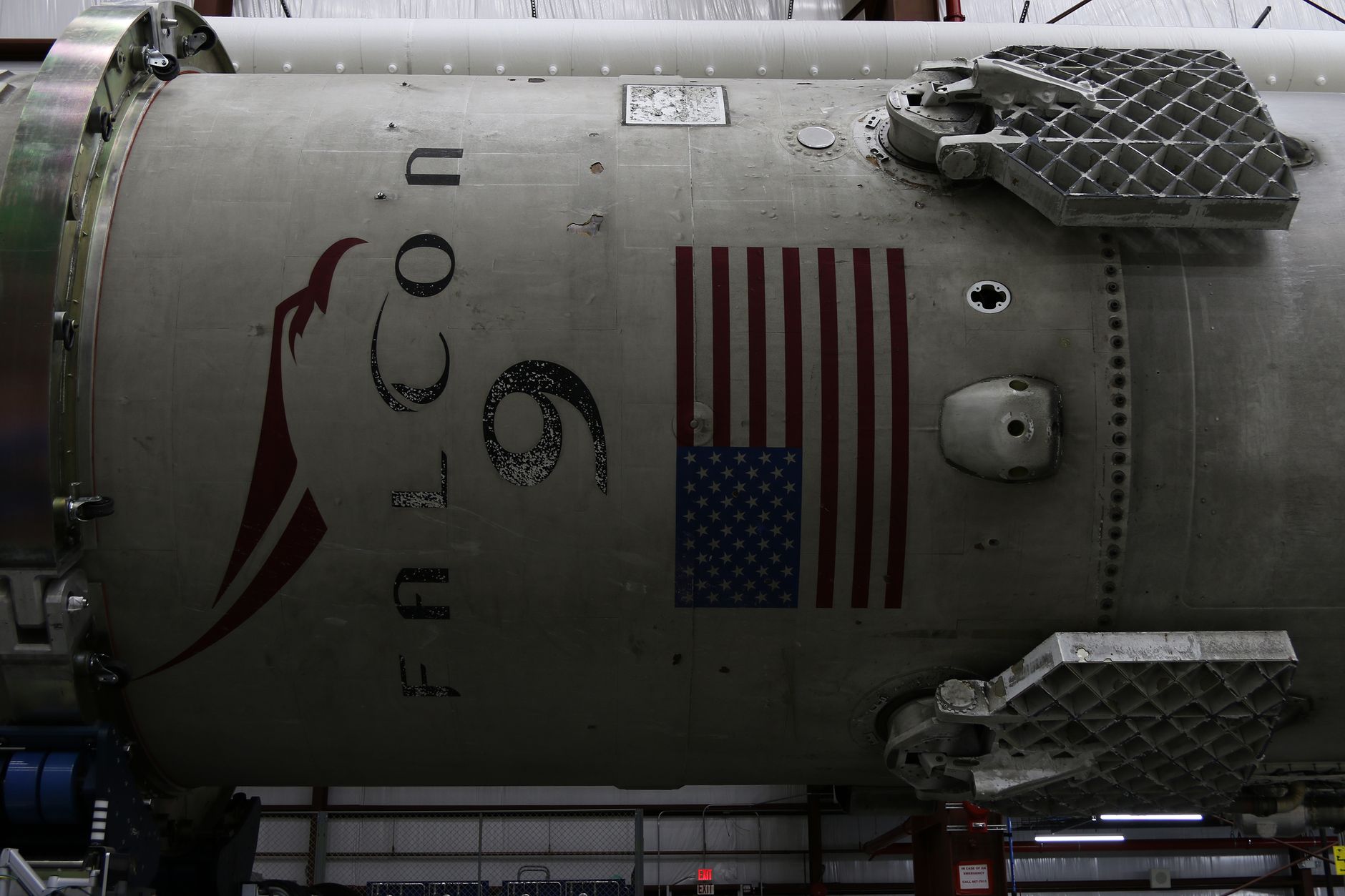
SpaceX has become the center of one of Wall Street’s most dramatic valuation debates, with the aerospace giant’s Nasdaq 100 inclusion sparking wildly divergent forecasts about its future worth.
What Happened
On the same day SpaceX earned its spot in the Nasdaq 100 index, Raymond James analyst Brian Gesuale unveiled an audacious $10.5 trillion price target for the Elon Musk-led company. This bullish projection stands in stark contrast to warnings from a prominent Wall Street skeptic, who places the probability of a catastrophic crash at 90 percent.
The valuation represents a stunning multiplier on SpaceX’s current worth, reflecting Gesuale’s conviction that the company’s satellite internet ambitions, reusable rocket technology, and long-term space infrastructure dominance could generate extraordinary shareholder returns. His analysis positions SpaceX not merely as an aerospace player but as a transformational technology company capable of reshaping global connectivity and space commerce.
Key Points
The $10.5 trillion bull case assumes aggressive scaling of Starlink’s subscriber base, eventual profitability from satellite internet services, and SpaceX’s expanding role in national security launches and NASA missions. Gesuale’s coverage initiation reflects growing institutional recognition of SpaceX’s market potential beyond traditional rocket launches.
However, the contrarian view warrants consideration. The skeptical analyst argues that SpaceX’s valuation has detached from near-term fundamentals, relying heavily on speculative long-term scenarios. Questions about Starlink’s path to profitability, competition from established telecom players, and regulatory uncertainty around space activities add legitimate risk factors to the investment thesis.
This fundamental disagreement highlights broader tensions in how investors value pre-profitability technology companies with enormous addressable markets but uncertain monetization timelines.
What This Means
For retail investors and institutions alike, SpaceX’s Nasdaq 100 inclusion signals mainstream acceptance of commercial space ventures as core portfolio holdings. Yet the 90-percent-crash warning suggests investors should approach valuations with appropriate skepticism rather than assuming exponential growth trajectories.
The bull-bear divide reflects genuine uncertainty around space commercialization’s pace and scale. While SpaceX has demonstrated remarkable execution capabilities, translating technological achievement into profitable businesses operating in nascent markets remains unproven at the scale Gesuale’s model assumes.
For SpaceX specifically, this public validation-and-skepticism cycle will likely intensify pressure to demonstrate concrete progress on Starlink profitability and launch service market expansion. The company’s actual execution will ultimately determine whether $10.5 trillion or 90-percent-crash odds better characterize its future.