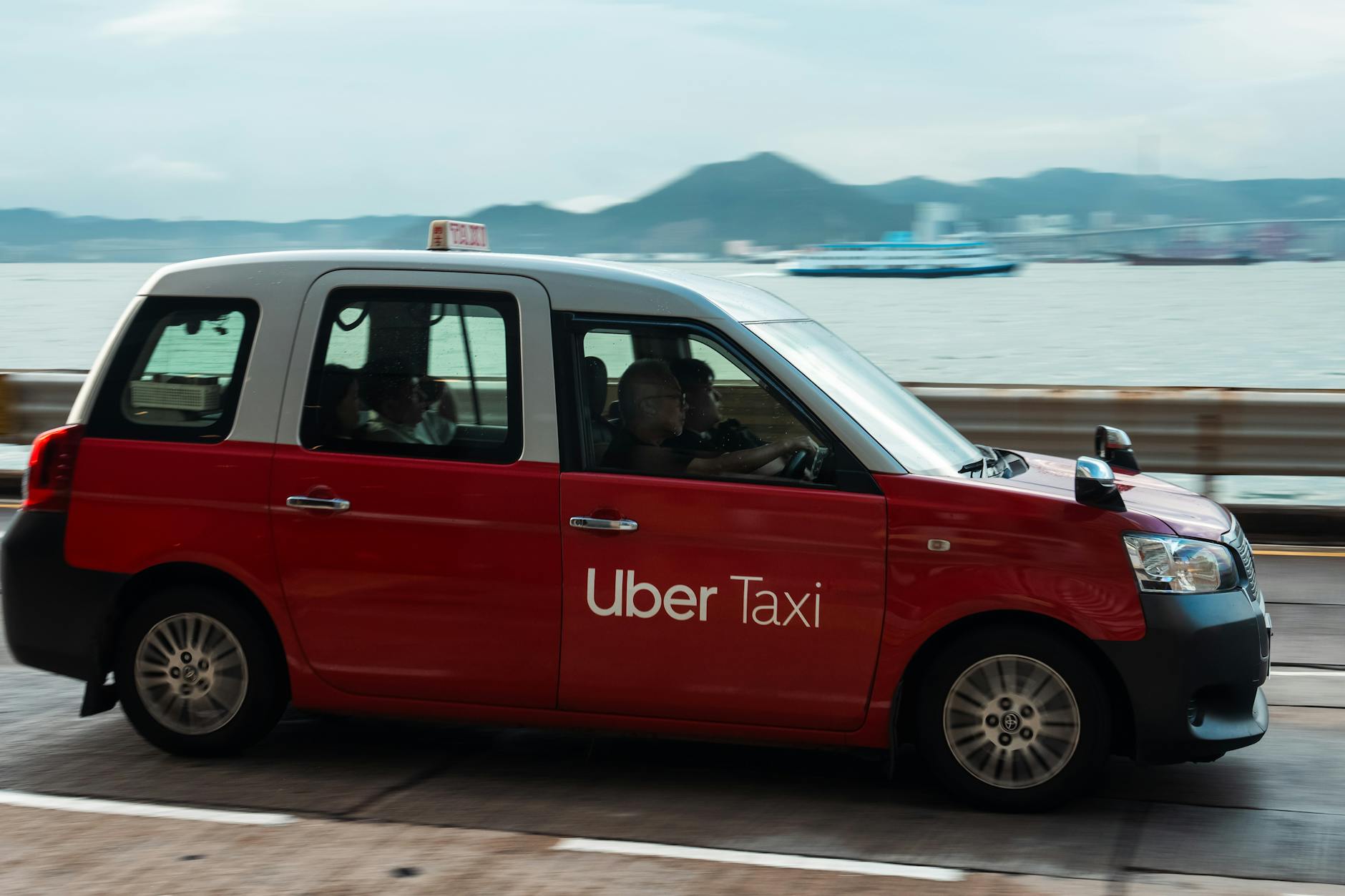
The food delivery wars just heated up significantly. Uber has made a formal takeover bid for Berlin-based Delivery Hero at €33 per share, marking a strategic power move in an increasingly consolidated market. While the offer sits slightly below Friday’s closing price, it represents something far more significant than a simple acquisition attempt—it’s the opening salvo in what could reshape the global delivery landscape.
What Happened
Delivery Hero confirmed Uber’s formal offer on Saturday, setting off speculation about one of tech’s biggest potential deals. The €33-per-share proposal, while below the previous trading close, carries substantial strategic weight. Uber already controls roughly 25% of Delivery Hero through previous investments, giving the ride-hailing giant considerable leverage. The bid comes at a critical moment, with DoorDash reportedly circling the company and exploring its own interest in acquisition.
The move signals Uber’s determination to consolidate its position in the fiercely competitive food delivery sector, where it competes globally against Delivery Hero’s extensive operations across Europe, Latin America, and the Middle East.
Key Points
Industry analysts view this opening bid as precisely that—an opening move, not a final offer. Delivery Hero’s board will likely push for a higher valuation, especially given Uber’s existing 25% stake and DoorDash’s competitive interest. The discount to Friday’s price may reflect market uncertainty around the deal’s completion rather than a lack of ambition from Uber.
For the American tech audience, this acquisition would represent another landmark consolidation in food delivery, a sector that has seen explosive growth but limited profitability. Uber’s aggressive pursuit underscores how seriously the company takes its delivery business, which has become increasingly important as ride-sharing matures.
DoorDash’s presence in these negotiations adds intrigue. As the dominant U.S. food delivery player, any involvement by the San Francisco company could trigger regulatory scrutiny, particularly around competition concerns.
What This Means
If successful, Uber’s acquisition of Delivery Hero would create a delivery powerhouse with significant global reach. The combined entity would span North America, Europe, and emerging markets—a geographic advantage that could drive efficiency improvements and profitability gains. For U.S. consumers, it might mean better integration between Uber Eats and Delivery Hero’s regional platforms.
However, regulators on both sides of the Atlantic will scrutinize this deal carefully. Consolidation in delivery logistics raises competition questions that could slow approval timelines. The outcome will shape not just Uber and Delivery Hero, but the future structure of the entire food delivery industry.