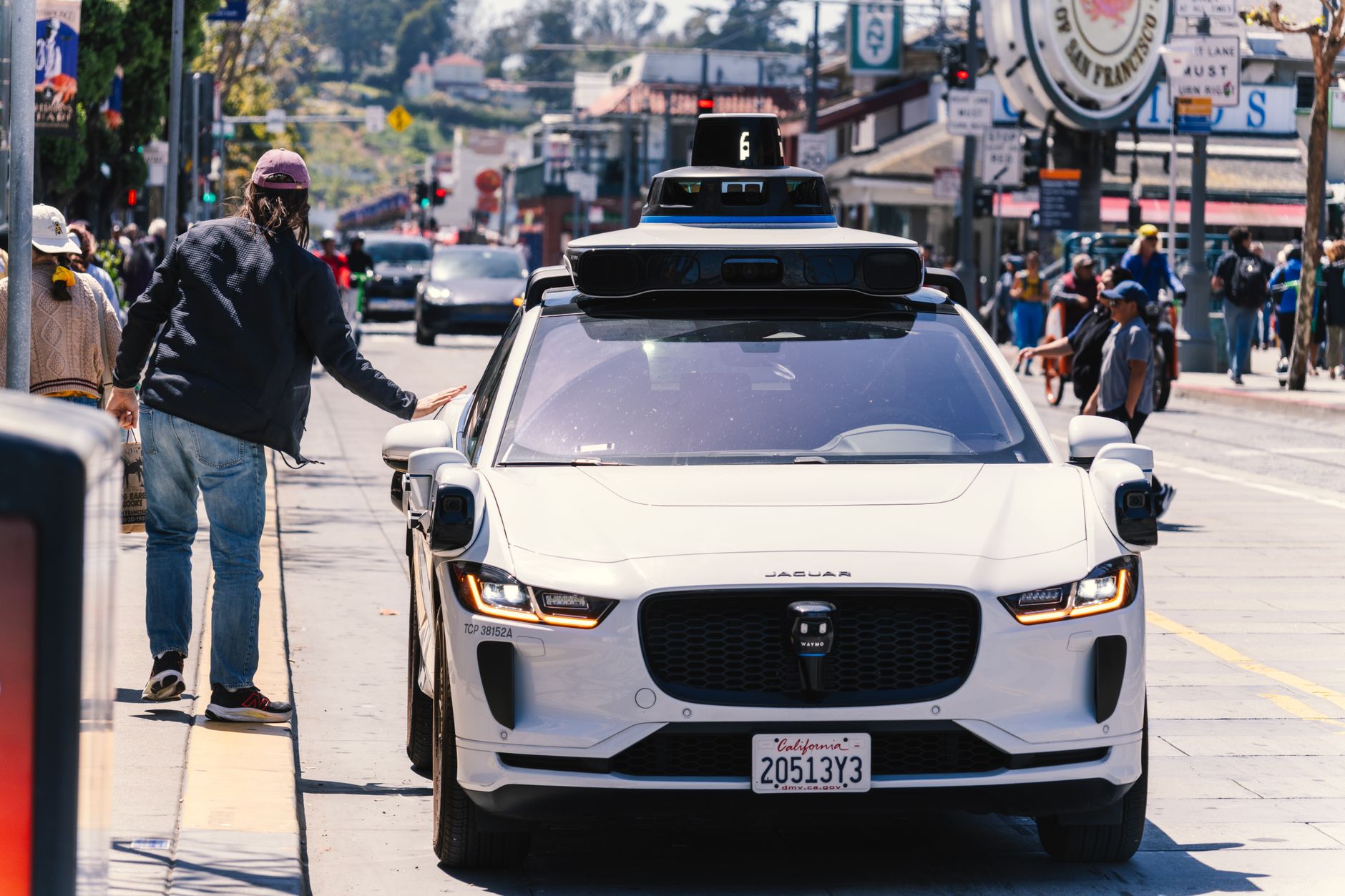
A significant rift is emerging in UK technology policy as the nation’s science and technology secretary doubles down on autonomous vehicle adoption and artificial intelligence innovation, while the Labour Party’s leadership team appears to be pumping the brakes on aggressive driverless car deployment.
What Happened
Liz Kendall, Britain’s current science and technology secretary, has made a forceful argument in favor of accelerating driverless car development and supporting homegrown AI startups. Speaking on a recent Sifted podcast, Kendall emphasized the critical need for the UK to back its own artificial intelligence companies before international competitors dominate the sector. Her remarks come at a pivotal moment, with Labour positioned to potentially take control of government in upcoming elections.
However, the expected next prime minister’s team has expressed notable reservations about the driverless car agenda. This internal disagreement suggests potential policy shifts once Labour potentially assumes power, creating uncertainty for the autonomous vehicle industry in Britain.
Key Points
Kendall’s advocacy reflects growing concern that Britain risks falling behind in the global AI race. She argues that strategic government backing of UK AI startups is essential for maintaining technological sovereignty and economic competitiveness. The autonomous vehicle sector, which relies heavily on AI innovation, represents a crucial testing ground for these technologies.
The hesitation from Labour’s leadership team signals political sensitivity around autonomous vehicle deployment. Public concerns about job displacement, safety, and infrastructure readiness may be influencing their cautious stance. This disagreement puts Kendall’s position at risk, as her pro-innovation platform faces internal party resistance.
The contrast highlights a fundamental tension in modern tech policy: the desire to lead in emerging technologies versus public and political concerns about rapid deployment.
What This Means
For American tech companies and investors, this UK policy uncertainty could impact their European autonomous vehicle strategies. A Labour government less enthusiastic about driverless cars might slow British adoption compared to other European nations, potentially reshaping competitive dynamics in the sector.
British AI startups face a critical juncture. Strong government support under Kendall’s vision could accelerate growth, but political opposition might constrain funding and regulatory frameworks. US tech entrepreneurs should monitor UK policy developments closely, as they could signal broader European attitudes toward autonomous vehicle deployment and AI innovation governance.
The outcome of this internal debate will likely influence how Britain positions itself in the global race for autonomous vehicle dominance and artificial intelligence leadership over the next decade.