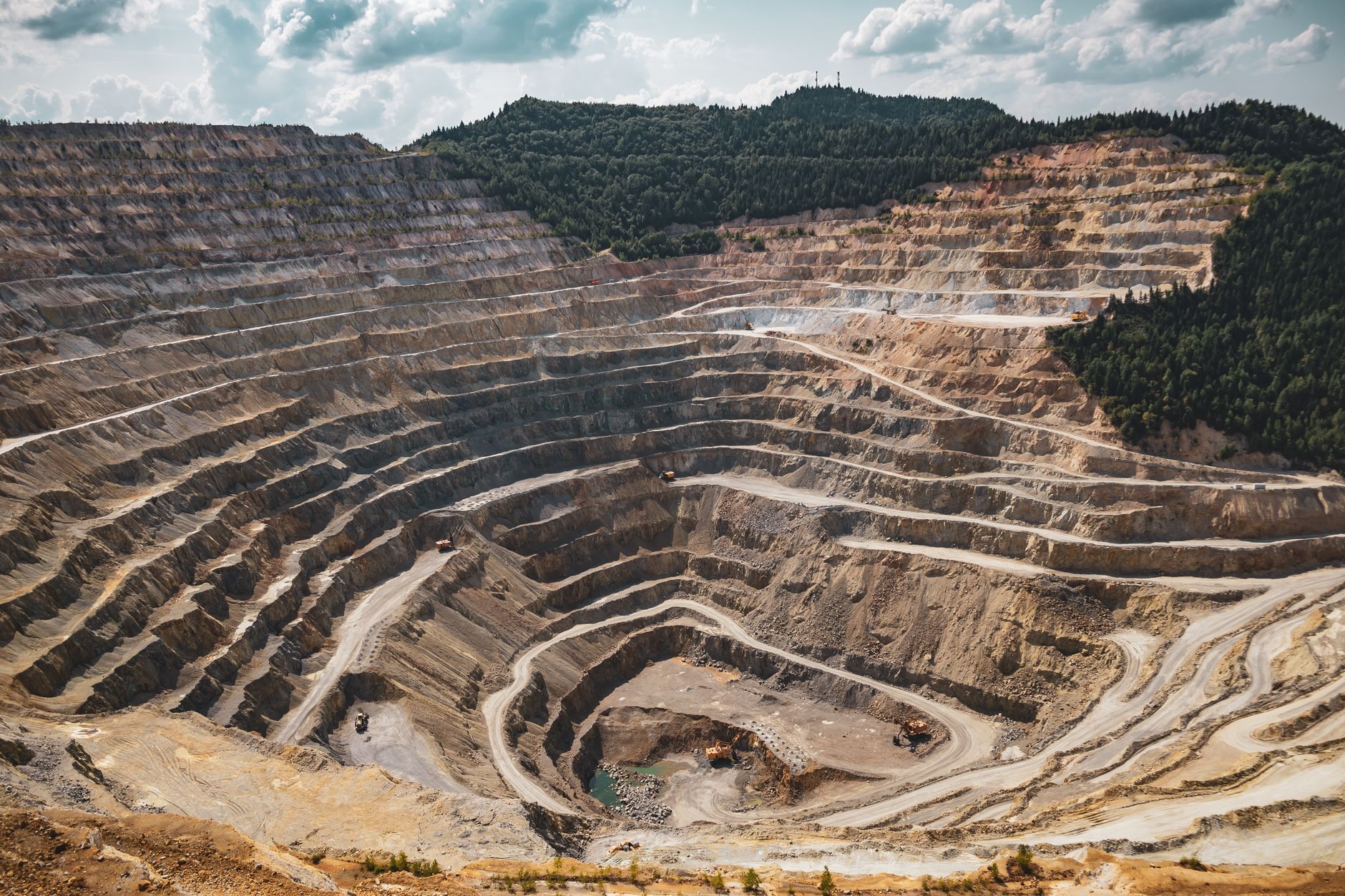
The United States produces rare earth elements critical for everything from smartphones to military technology, yet most of this valuable output is heading straight to Asia. While American companies have ramped up extraction and processing capacity, domestic demand remains surprisingly weak—creating a supply chain paradox that could undermine US technological independence.
What Happened
Recent data reveals that US rare earth production continues to flow predominantly toward Asian buyers, particularly in China, Japan, and South Korea. Despite government initiatives and billions in infrastructure investment to shore up domestic supply chains, American technology companies have been slow to pivot away from established Asian suppliers and commit to higher-cost domestic sources. This disconnect leaves America’s rare earth mining operations scrambling for customers at home while their product ships overseas.
The situation reflects a broader tension in US supply chain strategy. Government agencies have pushed for reshoring critical minerals processing, yet the private sector—facing thin margins and entrenched Asian relationships—remains hesitant to make the costly switch.
Key Points
Rare earth elements are essential for electric vehicles, renewable energy systems, semiconductors, and defense applications. Without secure domestic supplies, the US faces vulnerability to geopolitical disruptions and supply shocks. Asia currently dominates rare earth processing, controlling roughly 80% of global capacity, giving countries like China significant leverage over American manufacturers.
The slow adoption of US rare earths by domestic tech companies stems from several factors: price premiums on American-sourced materials, long-term supply contracts already locked in with Asian partners, and uncertainty about whether US production can scale reliably. Many corporations calculate that the cost savings of Asian suppliers outweigh national security concerns—at least for now.
What This Means
This export pattern threatens America’s strategic goals of supply chain independence. If US rare earth producers can’t secure domestic customers, investment in domestic capacity becomes economically unsustainable, potentially causing operations to shut down and leaving the nation dependent on imports once again.
For tech companies and EV manufacturers, the irony is sharp: cheaper Asian rare earths today could mean expensive geopolitical leverage tomorrow. As tensions with China escalate, government pressure on domestic procurement will likely intensify, potentially forcing sudden transitions that are far more disruptive than gradual adoption would be.
The path forward requires US tech companies to accept higher material costs as insurance against supply chain fragility—or risk seeing critical production capabilities disappear entirely.