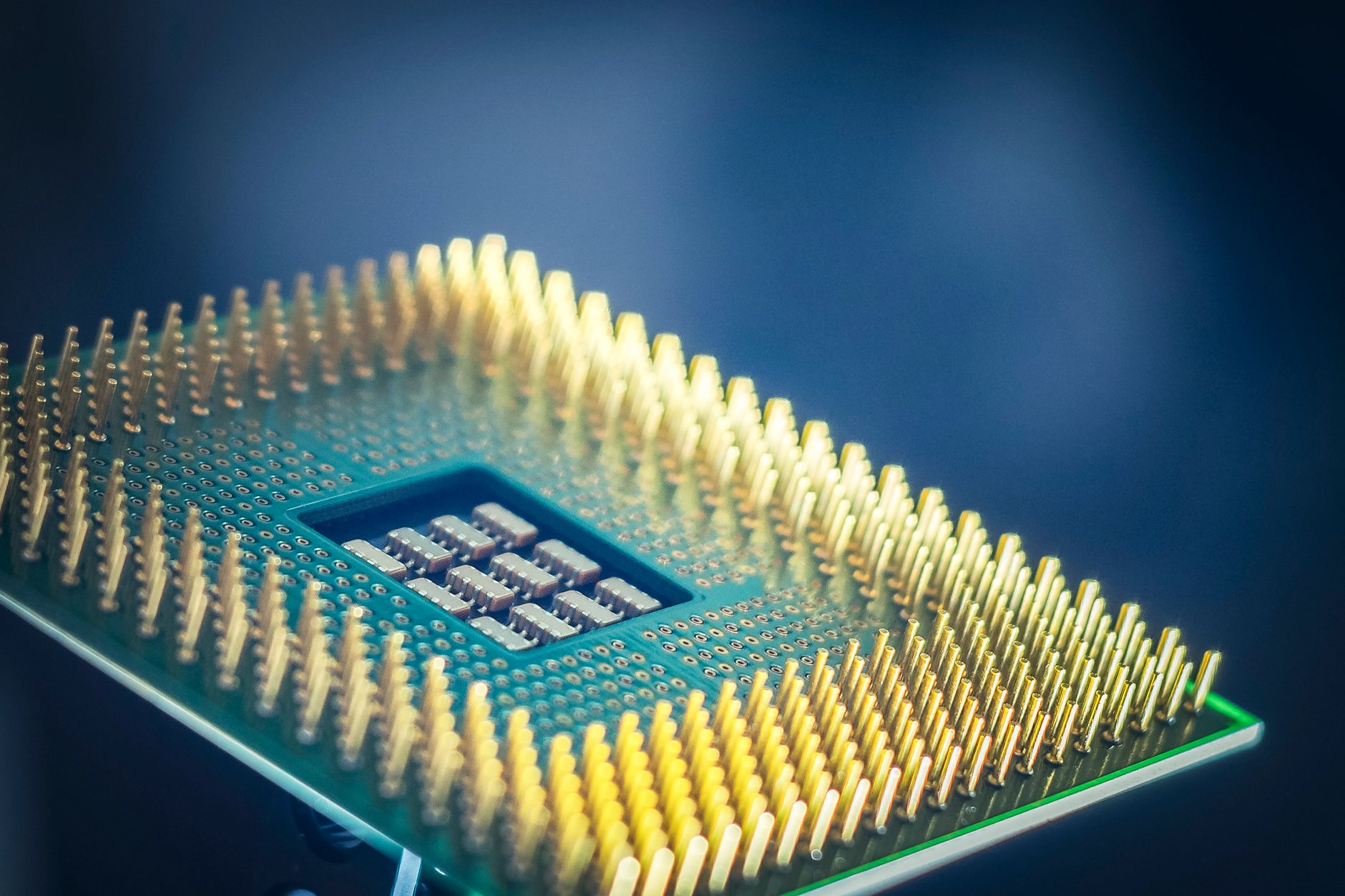
Xiaomi is making a bold move to differentiate itself in an increasingly crowded smartphone market. The Chinese tech giant has unveiled the Xring O3, a custom system-on-chip manufactured by Taiwan Semiconductor Manufacturing Company (TSMC) on its cutting-edge 3-nanometer process. The ambitious internal development signals Xiaomi’s determination to compete with established chipmakers and create devices that stand out to consumers.
What Happened
According to sources familiar with the matter who spoke with Reuters, Xiaomi’s new Xring O3 integrates computing, graphics, artificial intelligence processing, and imaging capabilities onto a single die. The chip represents a significant engineering achievement, bringing together multiple functions that traditionally require separate components or compromised performance. TSMC’s 3nm manufacturing process ensures the chip delivers improved efficiency and performance compared to older architectures.
The initial production run targets a few hundred thousand units, indicating Xiaomi’s cautious but committed approach to this custom silicon venture. This volume suggests the company is testing market reception before potential broader expansion.
Key Points
The Xring O3 arrives during challenging times for the handset industry, which faces slowing growth and intense competition from Apple, Samsung, and other established players. Custom silicon development has become a competitive necessity—Apple’s A-series chips and Samsung’s Exynos processors have set the standard for vertically integrated smartphone performance and efficiency.
Xiaomi’s partnership with TSMC demonstrates the company’s commitment to premium smartphone development. The 3nm process node represents the most advanced consumer-grade manufacturing available, ensuring the Xring O3 can deliver flagship-level performance and power efficiency. The integrated AI processing capabilities position Xiaomi to compete in the rapidly expanding on-device AI segment that’s reshaping smartphone capabilities.
What This Means
This development signals a major strategic shift for Xiaomi, moving beyond its traditional reliance on Qualcomm’s Snapdragon processors. By developing proprietary silicon, Xiaomi gains greater control over device optimization, cost structure, and feature differentiation. The company can now tailor performance characteristics specifically for its target audience.
For the broader industry, Xiaomi’s move reinforces that custom semiconductor development is no longer exclusive to trillion-dollar companies. This could inspire other manufacturers to pursue similar strategies, intensifying competition in the chipmaking space and ultimately accelerating innovation across the smartphone ecosystem. The Xring O3 represents Xiaomi’s declaration that it’s ready to compete at the highest levels of smartphone engineering and design.