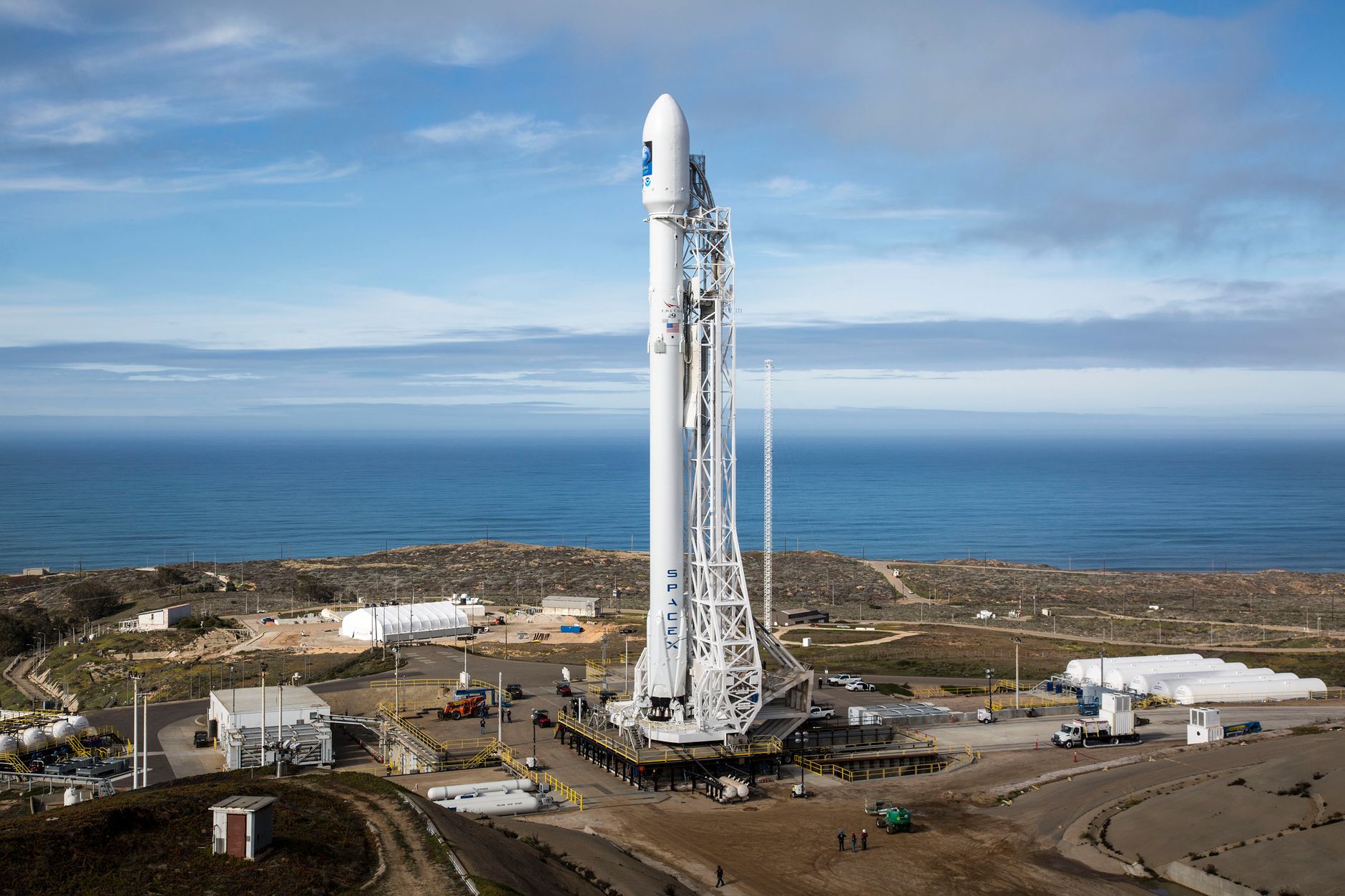
SpaceX has engineered a competitive advantage that extends far beyond rocket technology. By prioritizing its own Starlink satellite constellation, the company is systematically crowding commercial competitors off the very launch vehicles those rivals depend on for survival. This isn’t accidental scheduling conflict—it’s strategic dominance playing out in real time across SpaceX’s manifest.
What Happened
The numbers tell a stark story. In 2020, Starlink missions represented 54% of SpaceX’s Falcon 9 launches. Today, that figure has climbed to approximately 79%, fundamentally reshaping the commercial launch market. As SpaceX continues its relentless pace of deploying additional Starlink satellites to achieve global coverage, available slots for paying customers shrink accordingly. Companies that once counted on reliable Falcon 9 access now face extended wait times and capacity constraints that threaten their business timelines.
This squeeze affects major telecommunications providers, government agencies, and emerging space companies that lack alternative heavy-lift options. United States competitors like Blue Origin are still ramping production, while international alternatives face their own developmental hurdles. SpaceX’s manifest advantage becomes increasingly difficult to overcome as Starlink’s insatiable appetite for launch capacity only intensifies.
Key Points
The strategic implications run deeper than simple scheduling. SpaceX is leveraging its near-monopoly on American heavy-lift capacity to fund Starlink’s ambitious expansion while simultaneously crippling competitors who depend on those same rockets. This creates a self-reinforcing cycle: Starlink revenues subsidize lower launch prices, attracting more customers, while capacity constraints push those same customers toward SpaceX for their own satellite missions.
Regulatory bodies have remained largely silent on this competitive dynamic, despite growing concerns from industry stakeholders. The Federal Communications Commission approved Starlink’s initial constellation years ago, but the full implications of SpaceX’s market control may warrant closer examination as national security interests intersect with commercial competition.
What This Means
For the American space industry, this represents a critical inflection point. SpaceX’s dominance benefits consumers through lower launch costs and accelerated innovation, but it also concentrates enormous power in a single company’s hands. Competitors are forced to accelerate their own development programs or pivot toward smaller launch vehicles that serve different market segments.
Government contracts increasingly flow through SpaceX by necessity rather than choice, raising questions about healthy competitive ecosystems. As Starlink coverage expands globally, so too does SpaceX’s leverage over the international launch market. The company has engineered a position where rivals aren’t simply competing against superior technology—they’re competing for access to the only rocket that can reliably meet their mission requirements.