SpaceX achieved significant progress on its latest Starship test flight Friday evening, even as a critical component failed to complete its mission. The 12th test of the next-generation spacecraft marked the debut of the upgraded Version 3 vehicle, demonstrating operational capability despite setbacks that could complicate the company’s timeline toward commercialization.
What Happened
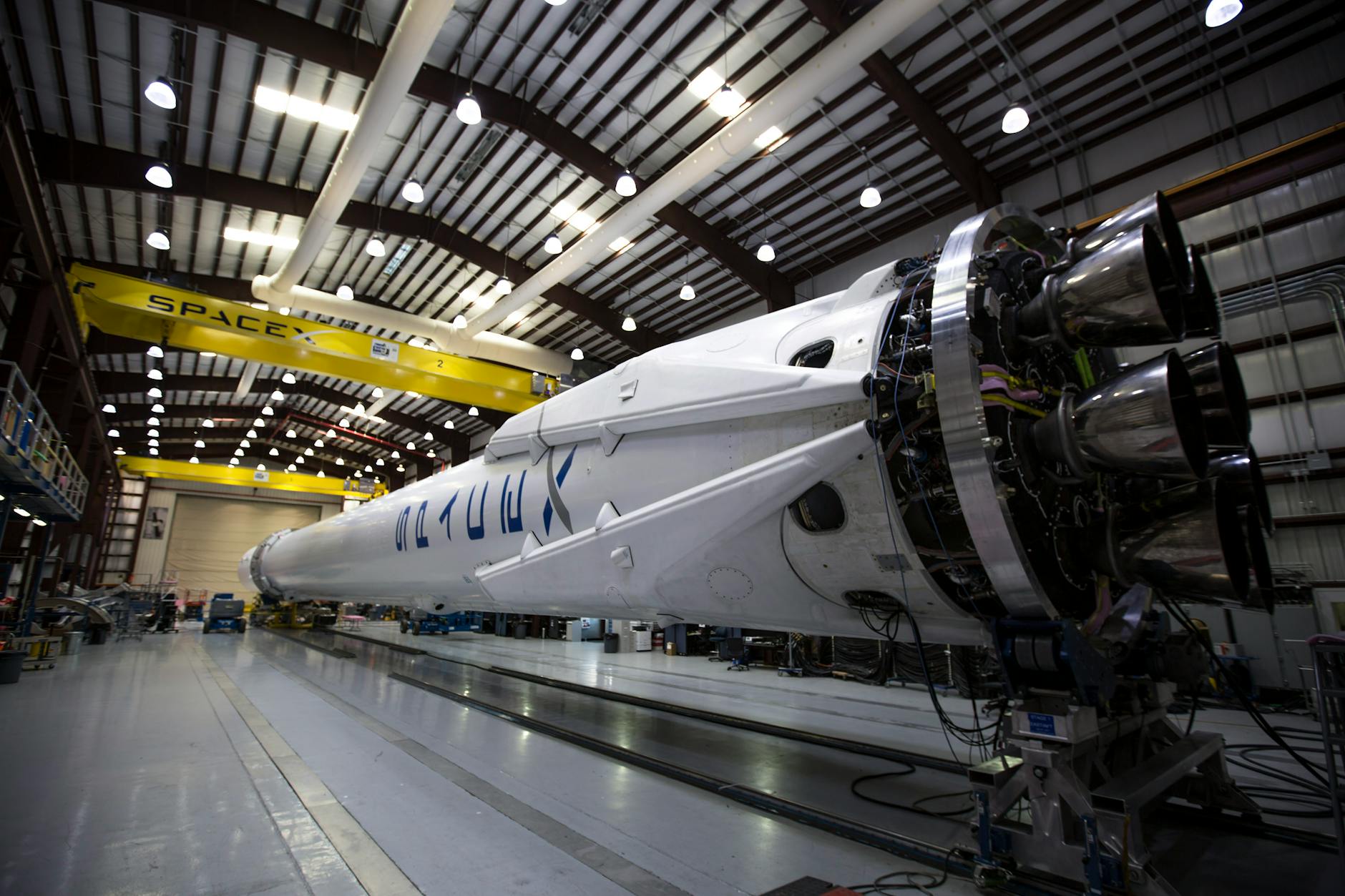
Launching from SpaceX’s Starbase facility in South Texas, the Starship V3 successfully completed several mission objectives before encountering trouble. The vehicle deployed 20 mock Starlink satellites into orbit and transmitted live video footage from space, validating key systems for the company’s constellation expansion plans. However, the Super Heavy booster—the massive first-stage rocket essential for lifting Starship to orbit—was destroyed during its separation and descent sequence, marking a significant setback for the test campaign.
The booster’s loss prevented SpaceX from achieving one of its primary goals: demonstrating a controlled return and recovery of the heavy-lift component. This capability is critical for the company’s reusability strategy and long-term cost reduction objectives.
Key Points
The timing of this test flight carries particular significance, coming just three weeks before SpaceX’s highly anticipated initial public offering. The company has positioned Starship as central to its growth narrative, claiming the vehicle will enable lunar missions, Mars exploration, and global satellite deployment at unprecedented scale. Investors have closely monitored test flight performance, and hardware loss could raise questions about the program’s maturity and timeline reliability.
Despite the booster failure, SpaceX demonstrated progress in other critical areas. The successful satellite deployment represents operational advancement toward full Starlink constellation buildout. The live video transmission from space confirmed payload bay systems are functioning as designed, suggesting the upper stage performed nominally through separation.
What This Means
The test flight illustrates the inherent challenges of developing next-generation launch systems. Booster recovery failures, while setbacks, are navigable in testing phases. SpaceX has experienced similar issues previously and incorporated lessons into subsequent vehicle iterations. The V3 upgrades suggest the company is rapidly iterating based on flight data.
For SpaceX’s IPO prospects, the flight outcome presents a mixed narrative. While mission success in satellite deployment and video transmission demonstrate progress, booster loss undermines claims of operational readiness. Wall Street will likely view this as development-stage setback rather than catastrophic failure, particularly given partial mission success.
Looking forward, SpaceX must demonstrate booster recovery capabilities in upcoming test flights to validate its reusability claims. The company’s near-term focus will be incorporating V3 lessons into successor vehicles while pushing toward full test flight cadence. Success in achieving controlled booster returns will significantly strengthen the company’s commercial readiness narrative ahead of public markets debut.