Waymo has hit an unexpected roadblock in its autonomous vehicle ambitions. The robotaxi company suspended service across five major U.S. cities this week after a critical software update failed to address a dangerous problem: self-driving cars attempting to navigate through standing water during heavy rain.
What Happened
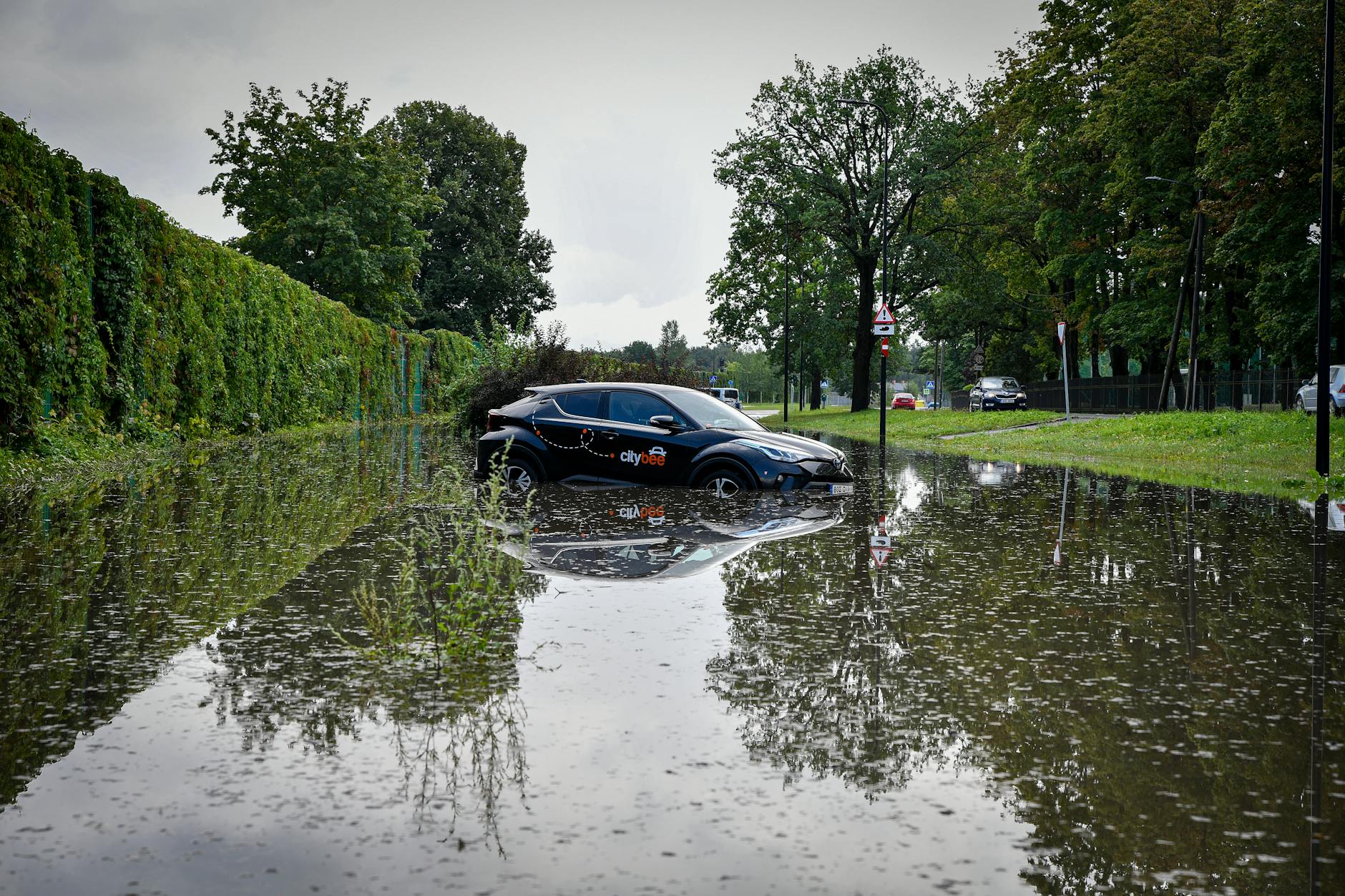
On May 21, Waymo announced a fleet-wide service suspension affecting cities including Atlanta, San Francisco, Los Angeles, Phoenix, and Austin. The decision came just two weeks after the company deployed what it believed was a comprehensive software patch to all 3,791 vehicles in its fleet. However, the fix proved inadequate when an unoccupied robotaxi became stranded on a flooded street in Midtown Atlanta on Wednesday evening.
The incident raises serious questions about autonomous vehicle safety protocols and the adequacy of Waymo’s water detection algorithms. Rather than avoiding the flooded area entirely, the vehicle’s navigation system failed to properly assess the hazard, resulting in the car becoming stuck with standing water preventing normal operation.
Key Points
This failure represents a significant blow to Waymo’s expansion plans and challenges the narrative surrounding autonomous vehicle readiness. The company has positioned itself as the leading robotaxi operator in America, but the incident exposes gaps in environmental threat detection. Weather-related navigation failures are particularly concerning because they highlight limitations in real-world scenario planning.
The simultaneous shutdown of five major markets suggests the problem is systemic rather than isolated. Waymo’s decision to suspend rather than modify routes indicates the company lacks confidence in localized fixes and needs comprehensive software architecture changes. The two-week gap between the failed patch deployment and service suspension also raises questions about internal quality assurance processes.
What This Means
For the autonomous vehicle industry, this setback underscores persistent challenges in achieving truly robust self-driving systems. While Waymo has made impressive strides in urban navigation, weather and environmental hazard detection remains a critical vulnerability. Competitors like Cruise and emerging AV companies are watching closely, as any widespread safety issue impacts public perception across the entire sector.
Regulators are likely to increase scrutiny of autonomous fleet deployments, potentially requiring more rigorous testing protocols for weather-related scenarios. For consumers who’ve embraced Waymo services, the suspension signals that autonomous technology still has significant maturation ahead before widespread adoption becomes viable.
The timeline for service restoration remains unclear. Waymo faces pressure to demonstrate not just that software updates work, but that they’ve fundamentally solved the water detection problem across diverse environmental conditions.